development: details

October 23, 2007, 7:36 pm | by Thomas | 2 Comments

carpetcarpet2

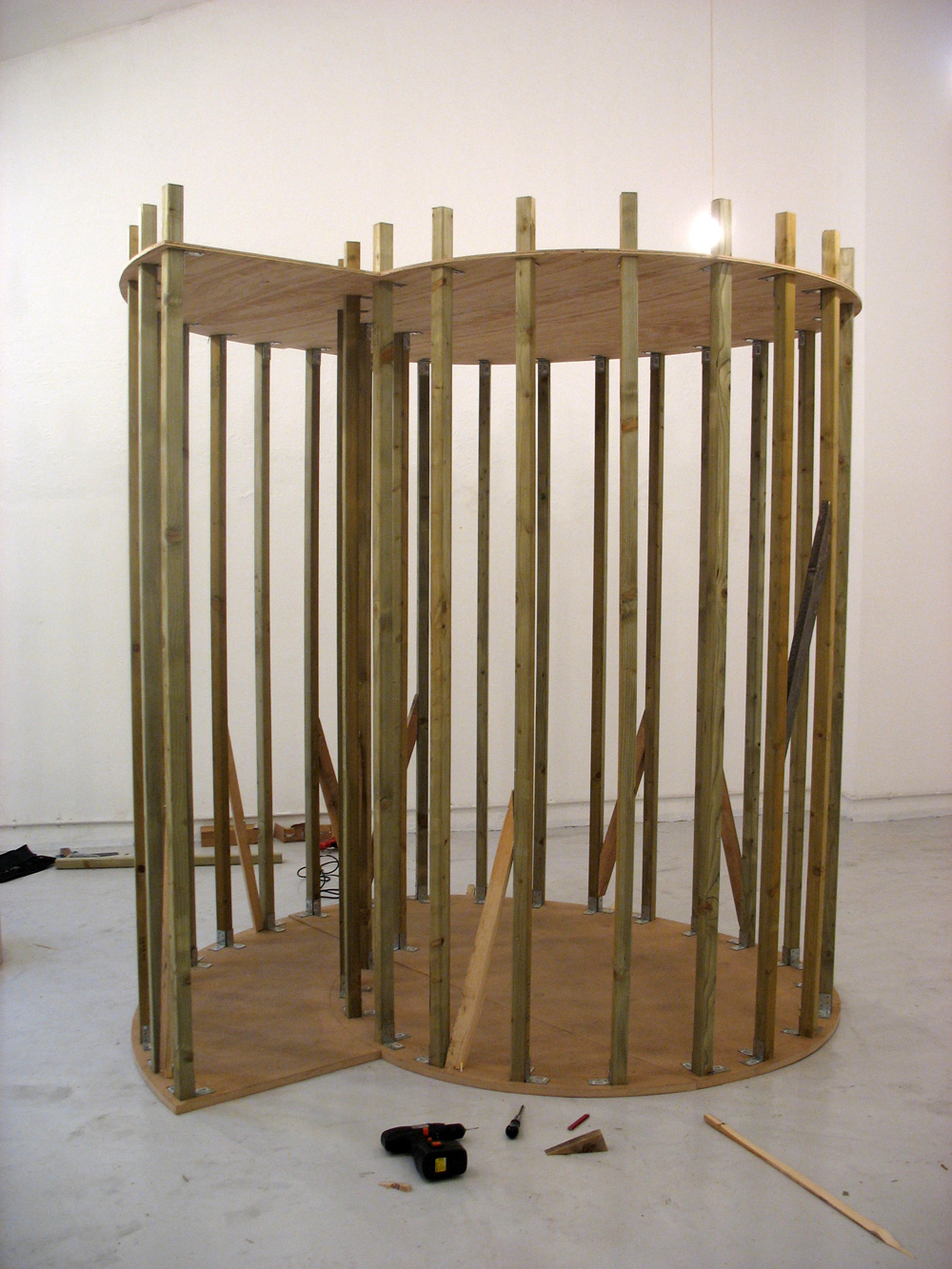
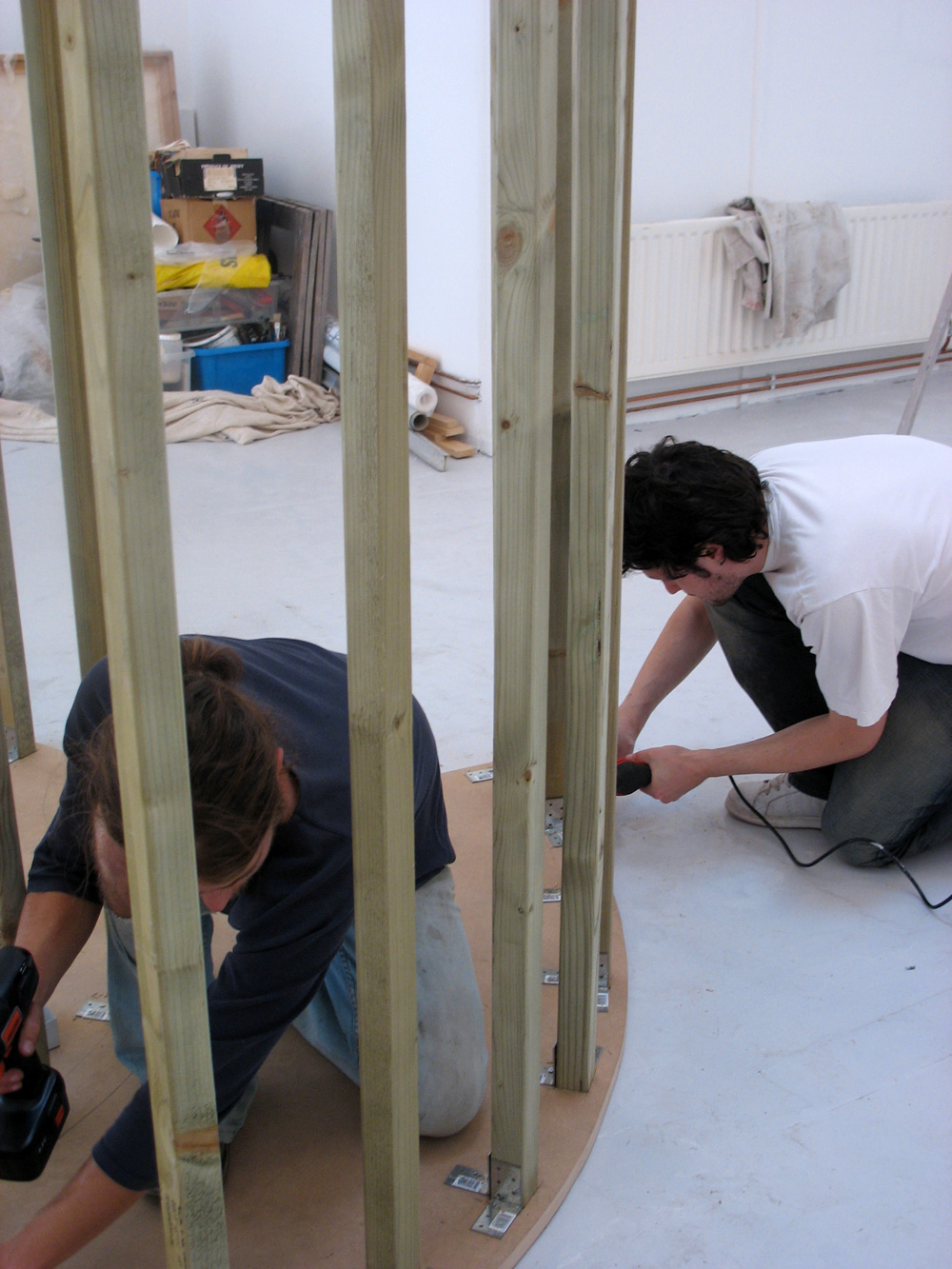
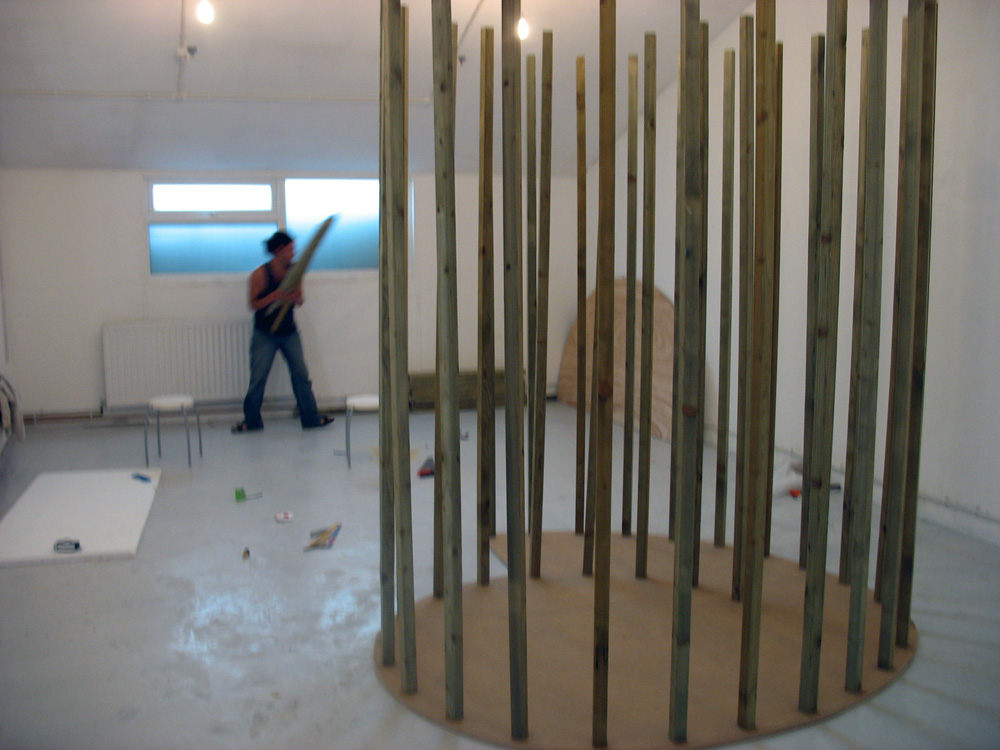
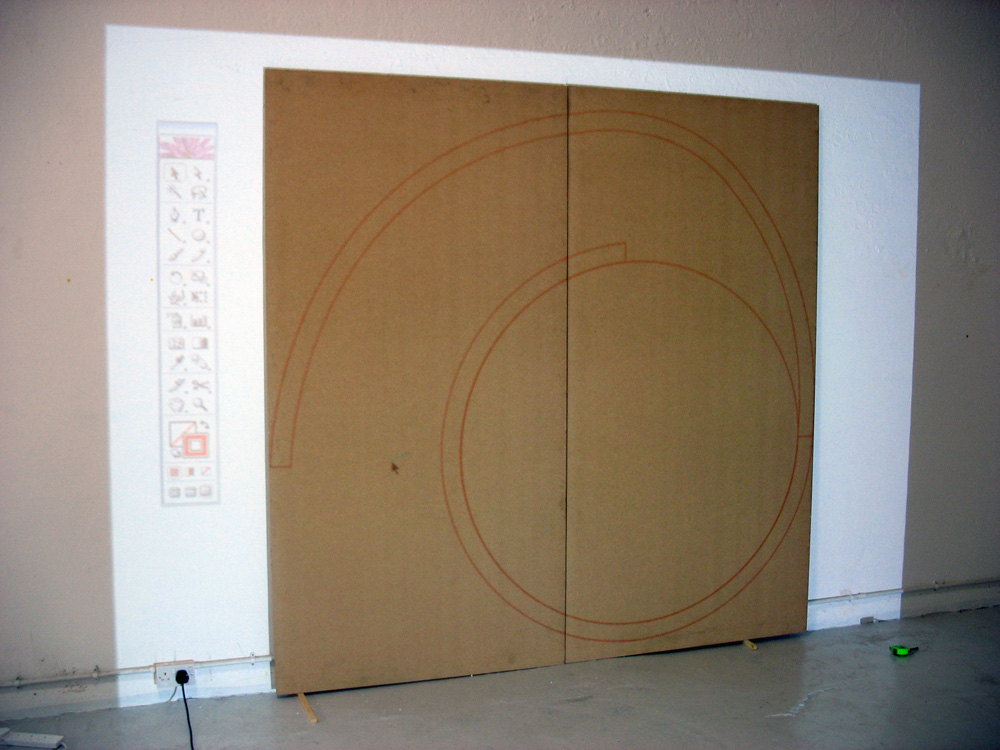
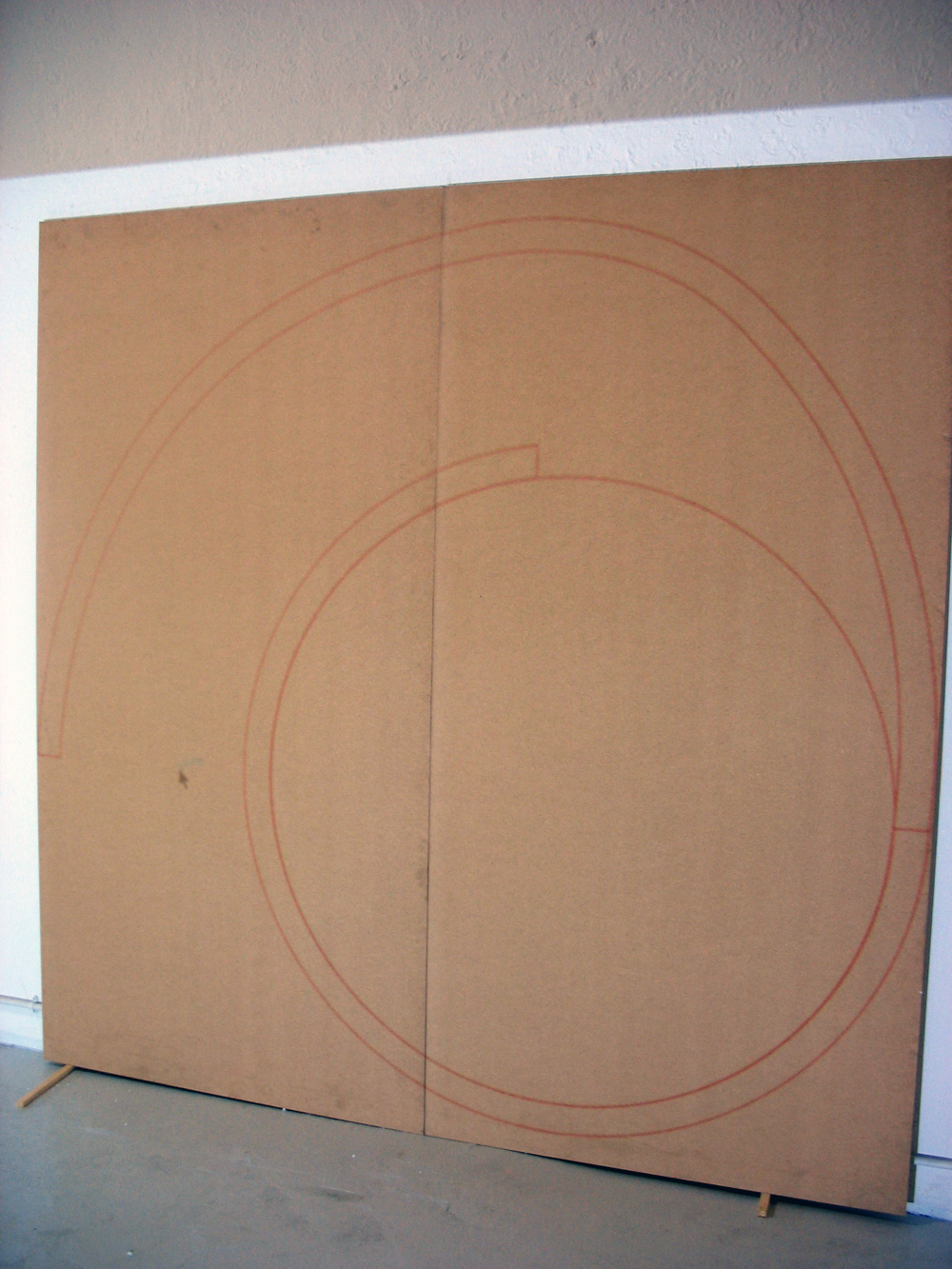
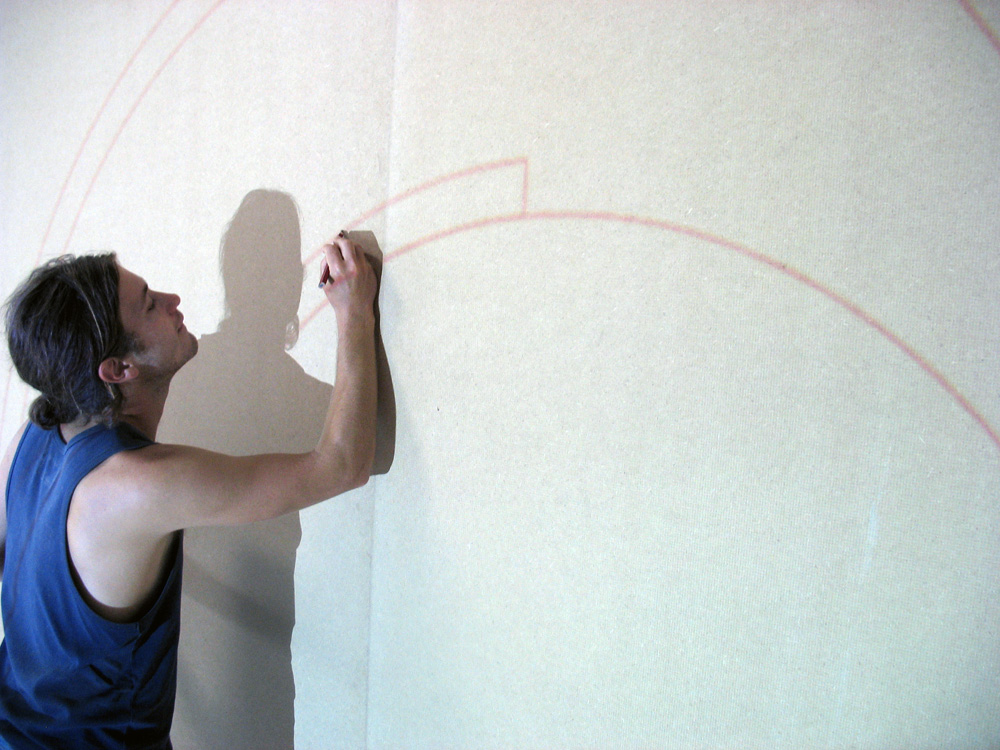
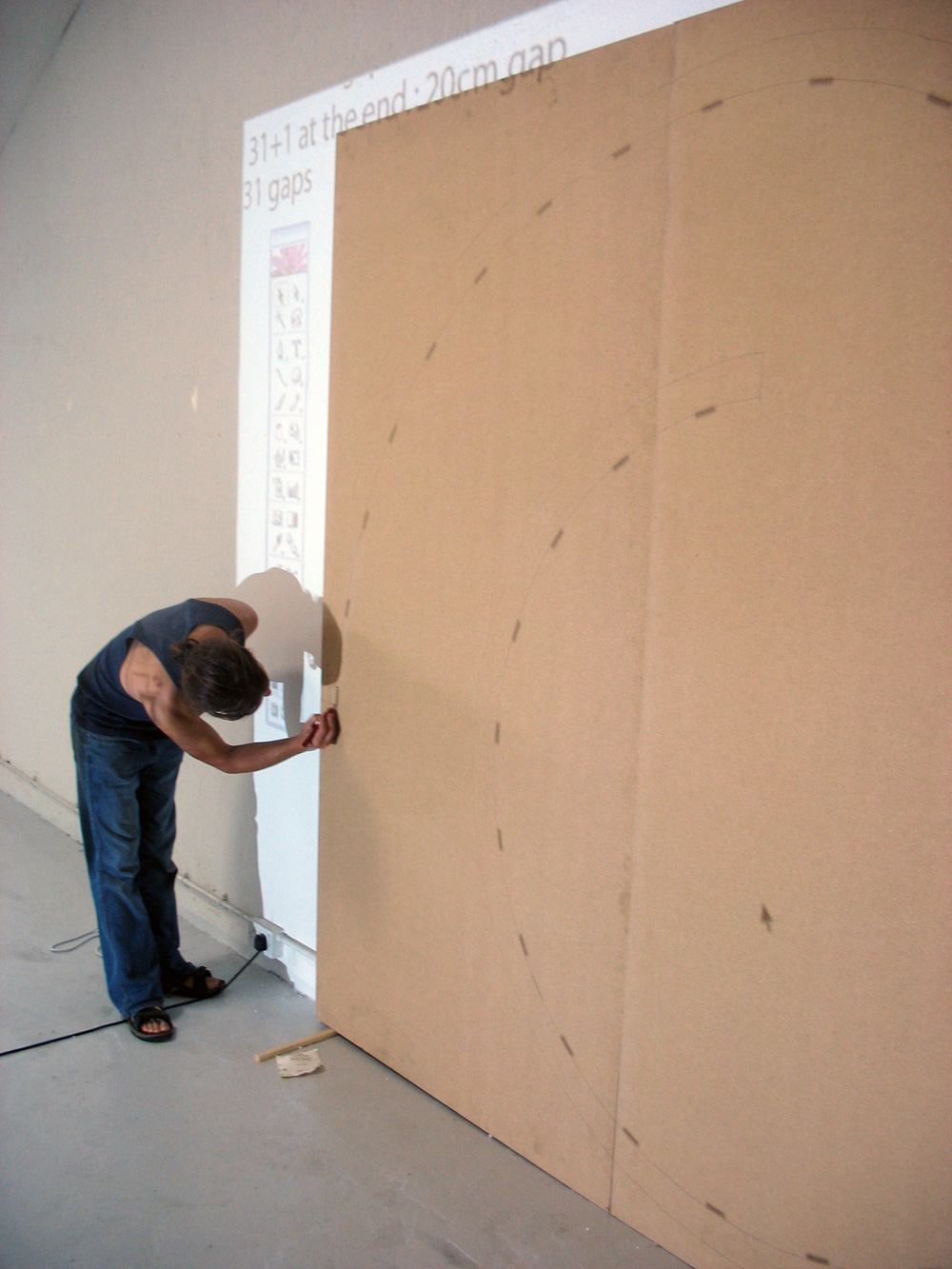
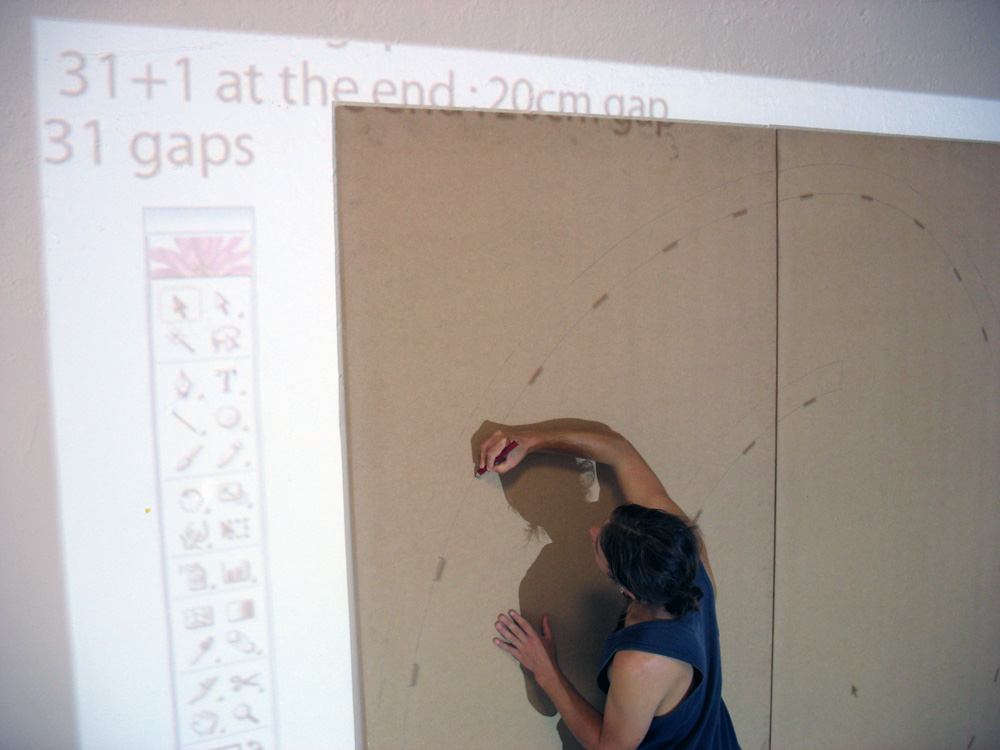
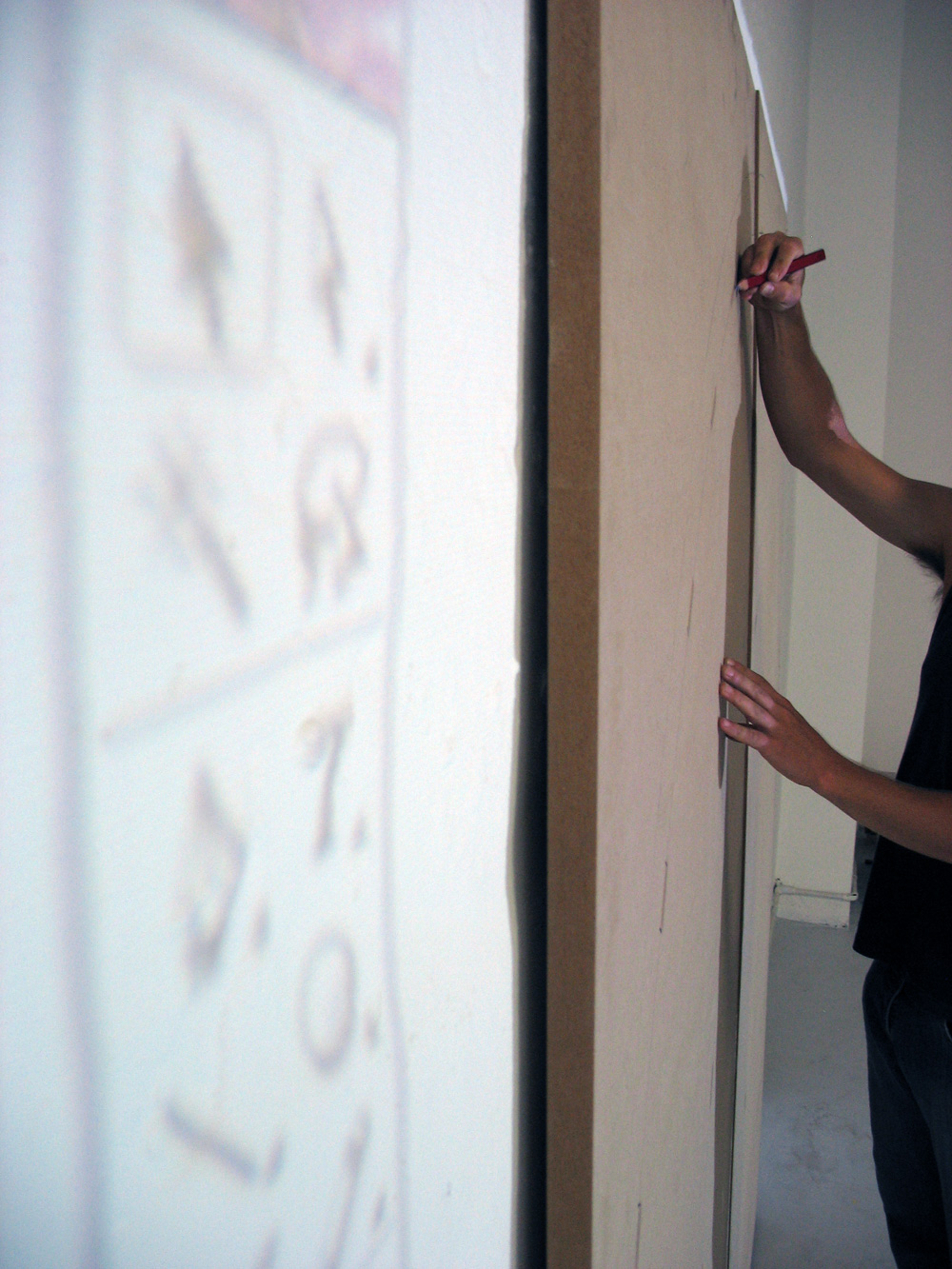
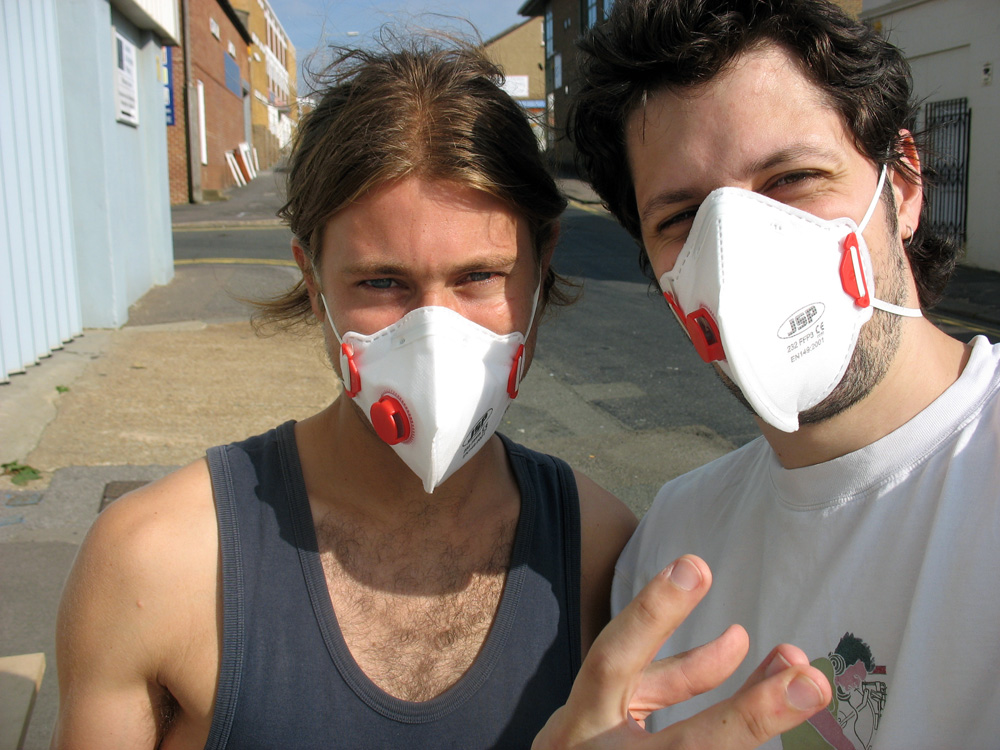
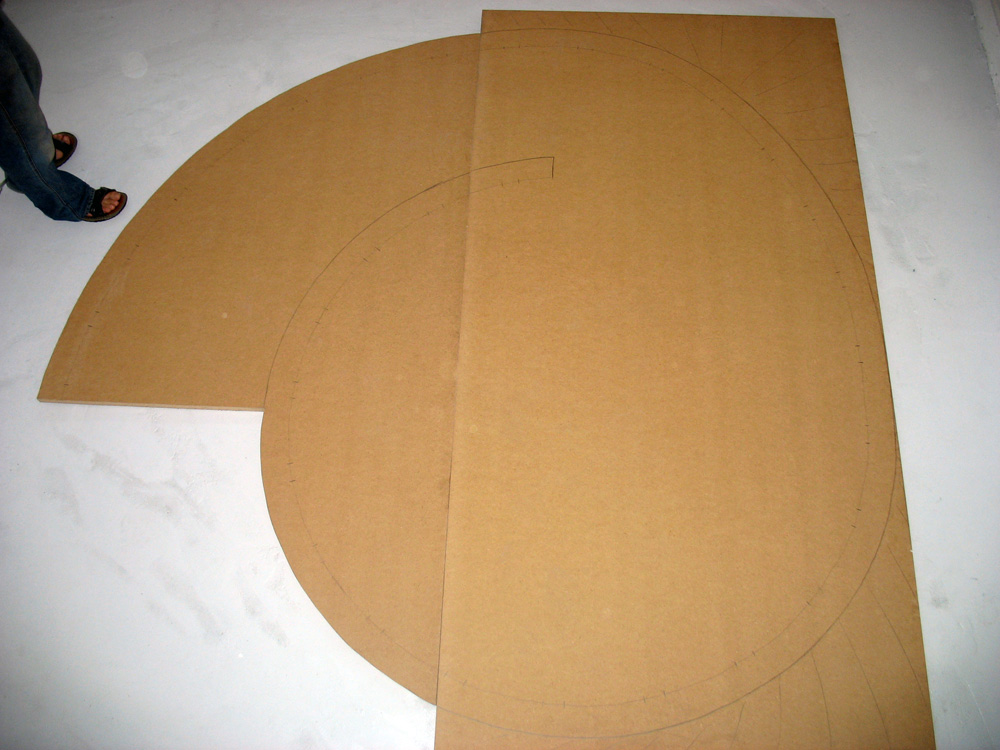
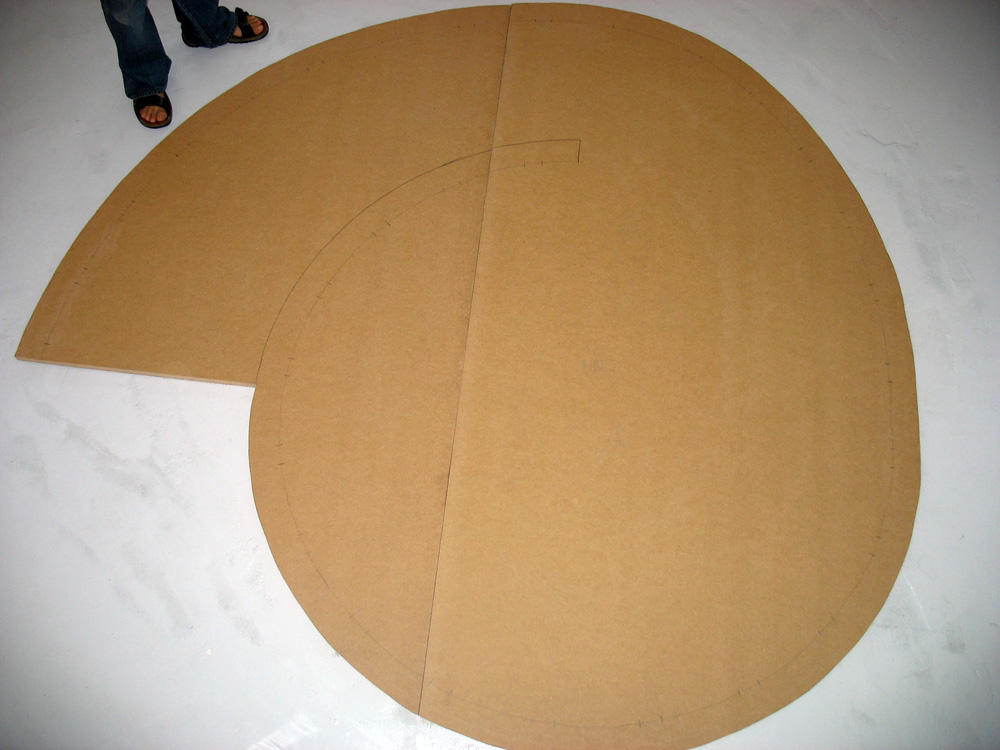
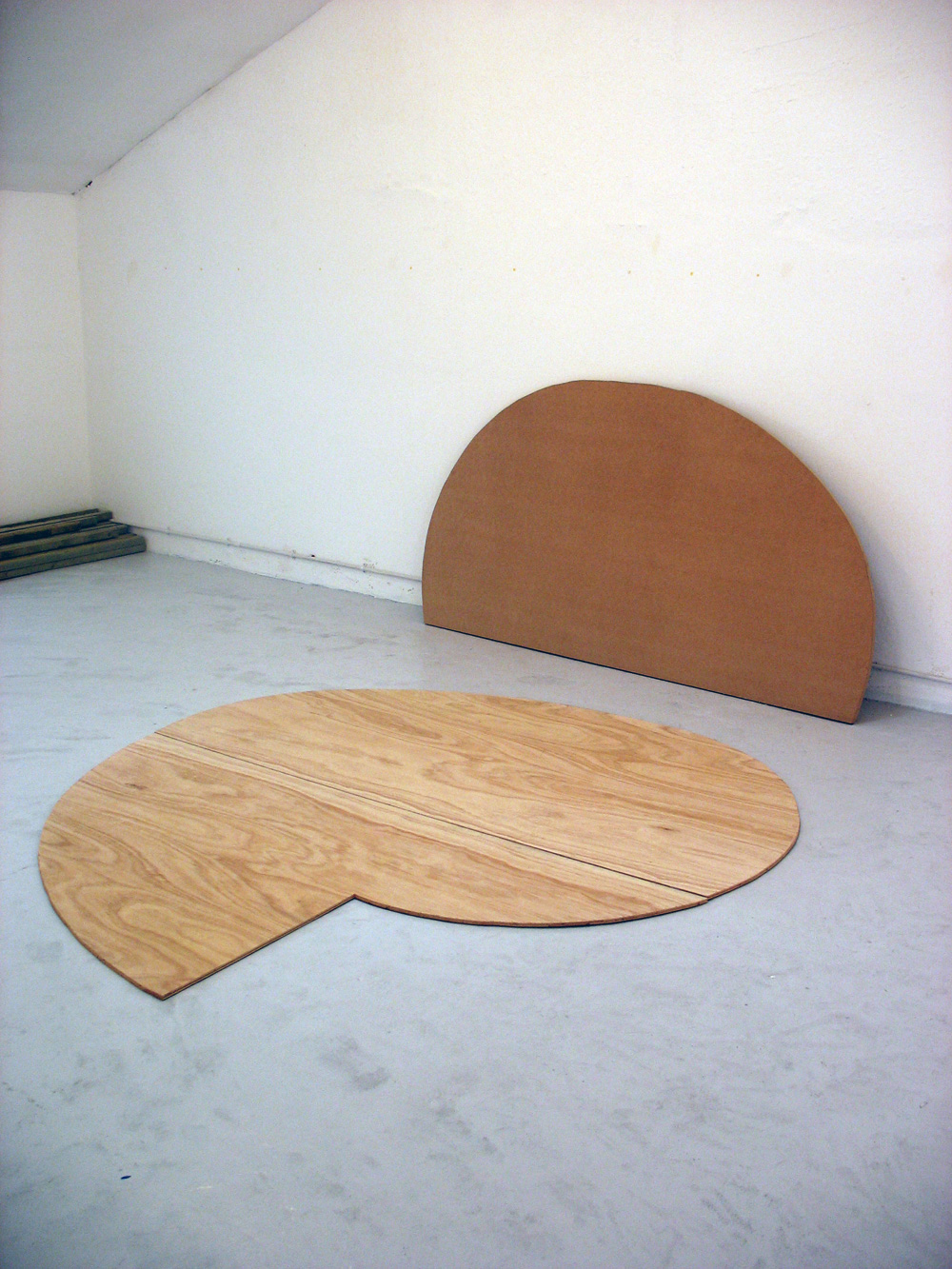
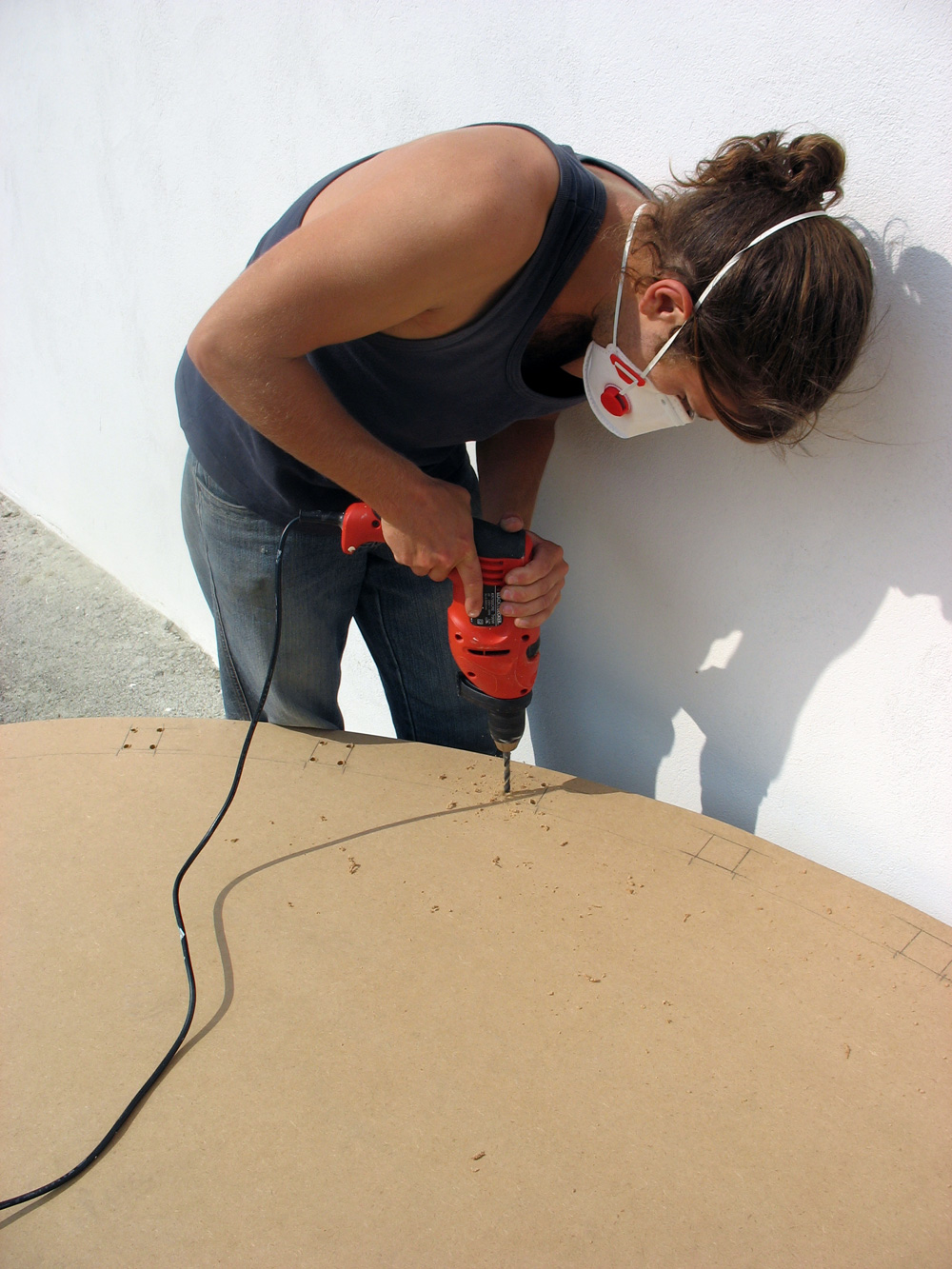
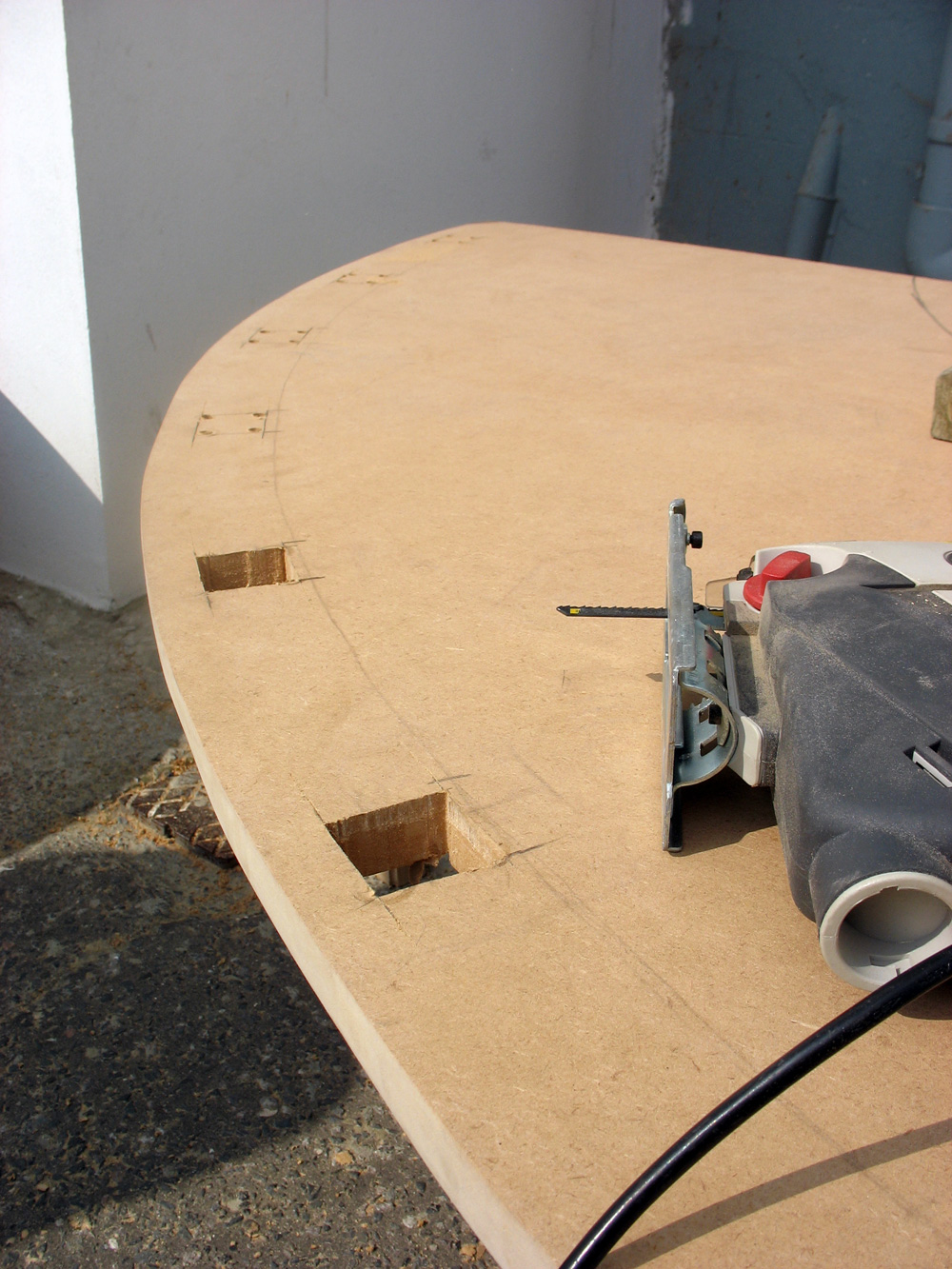
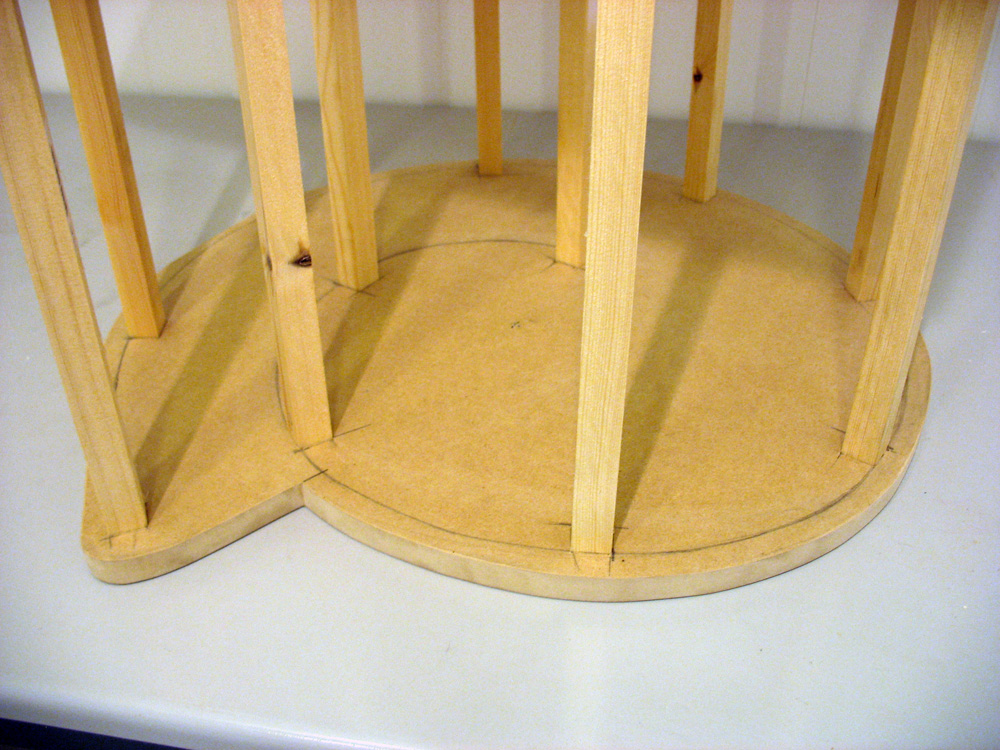
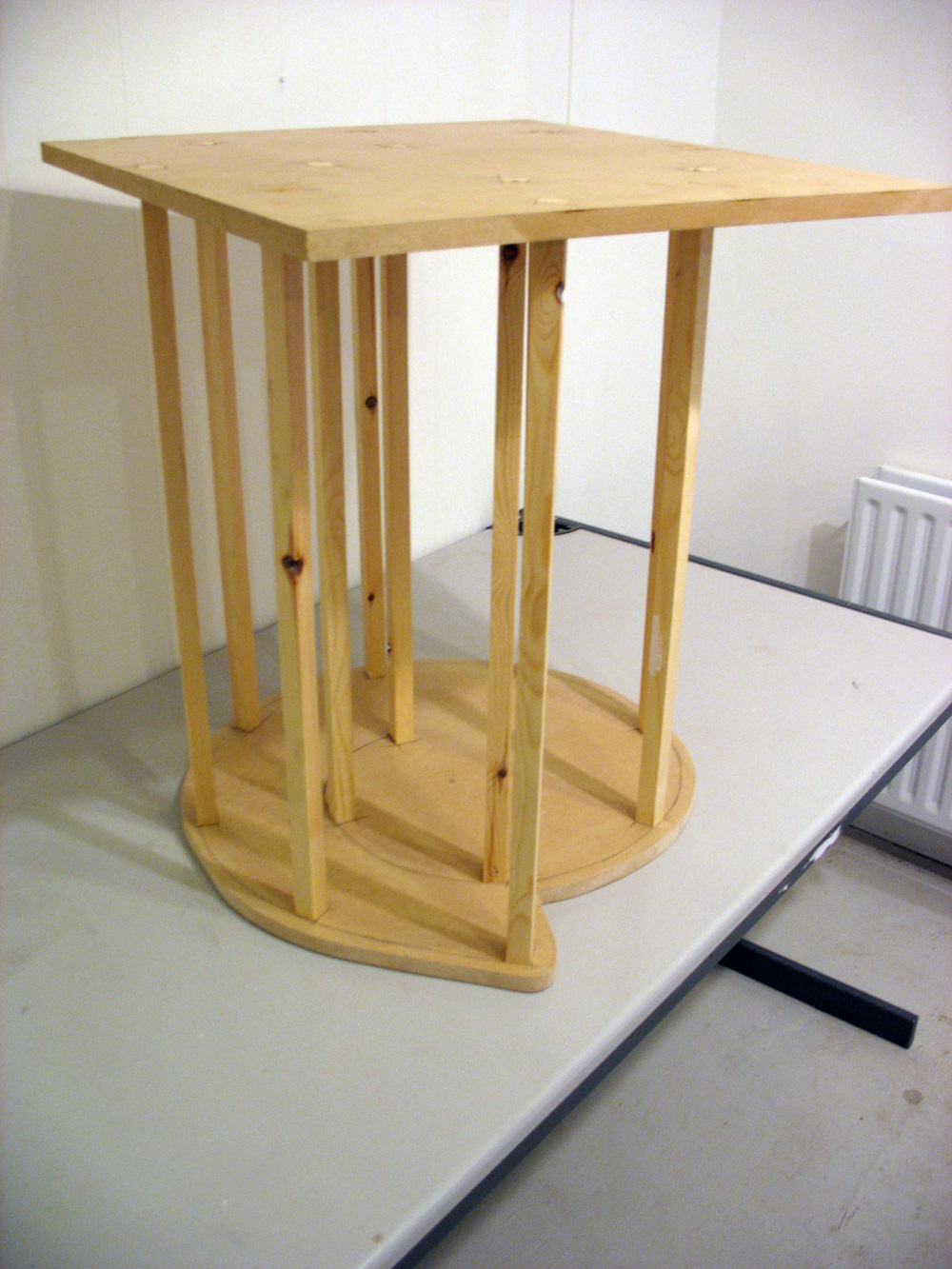
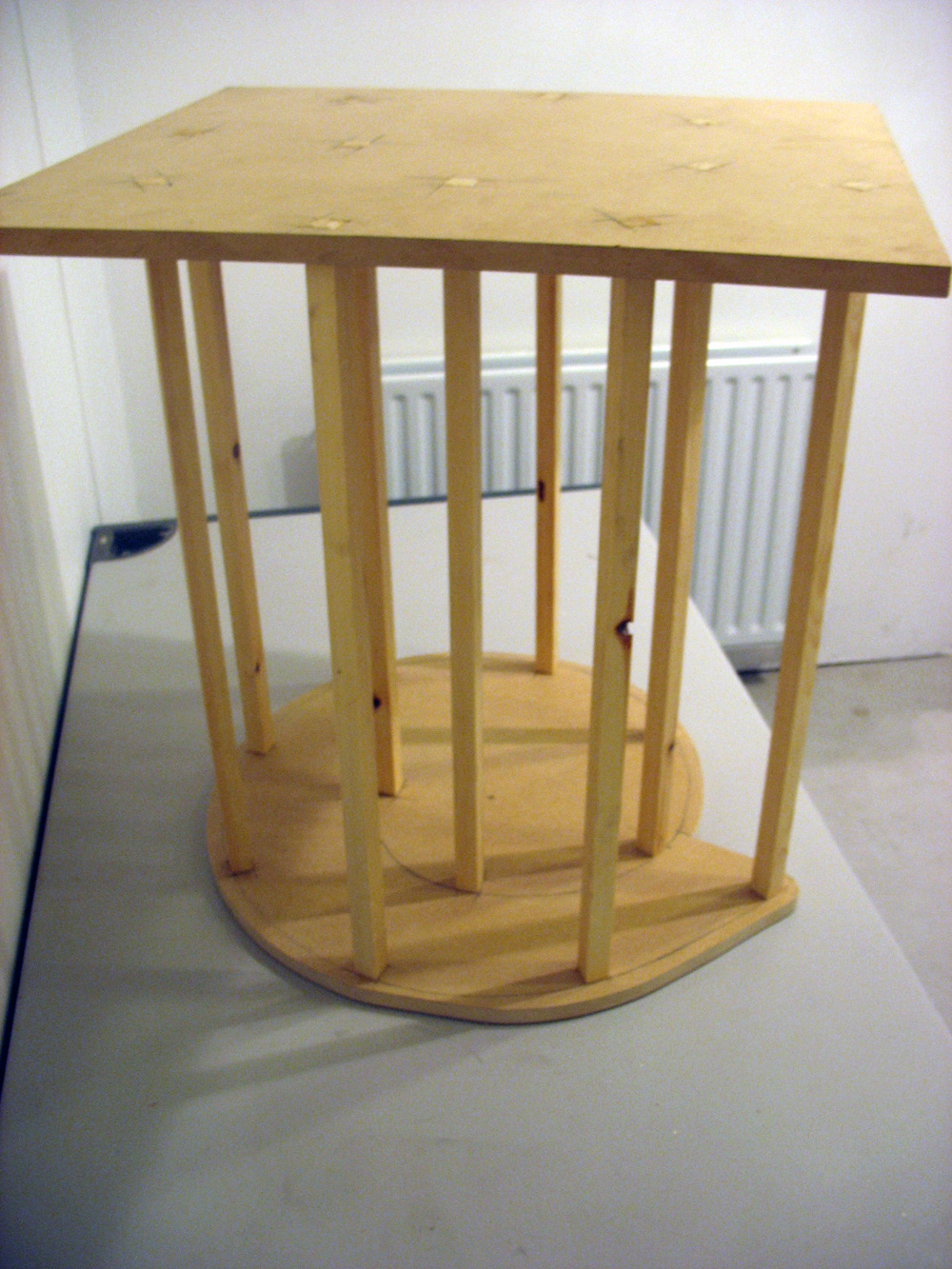
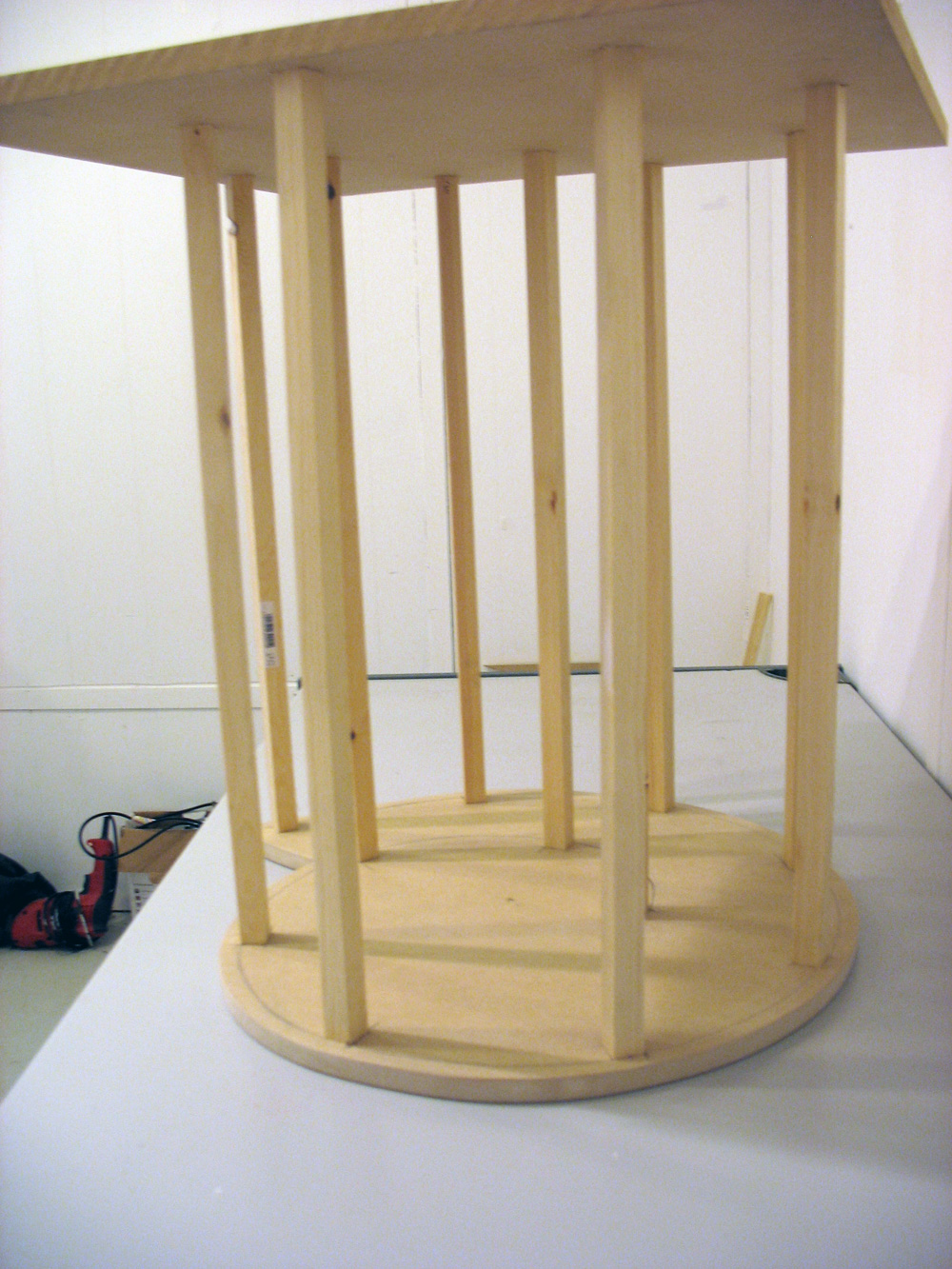
We are in the last 2 weeks of work now. Here are some pictures of last week-end’s work and some precision on the technological side of the project.

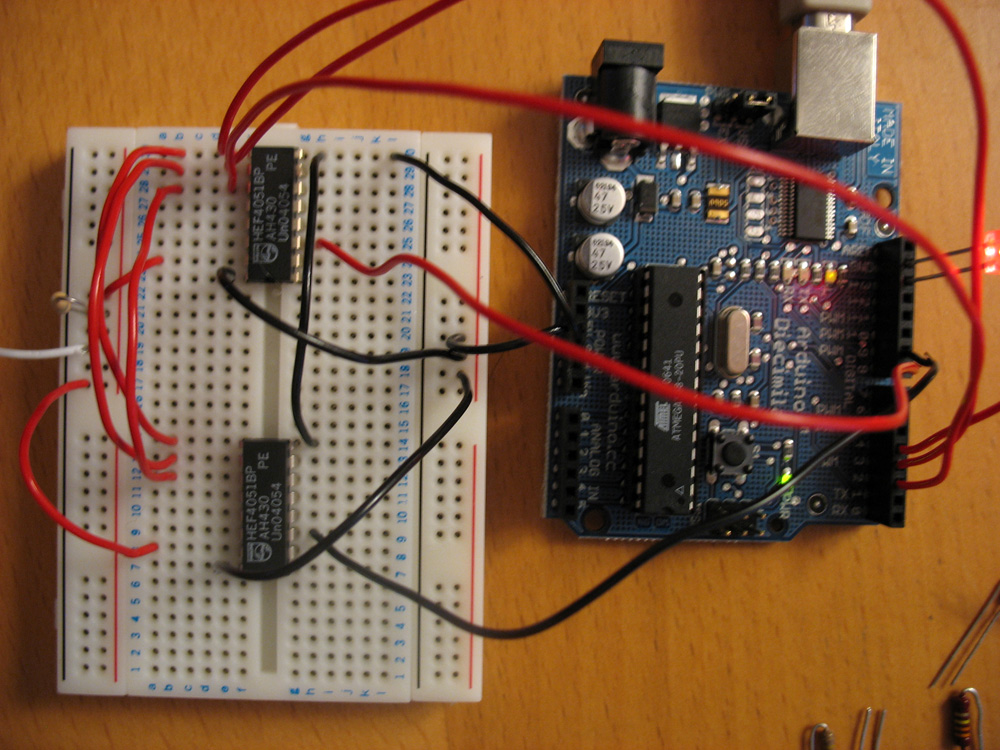
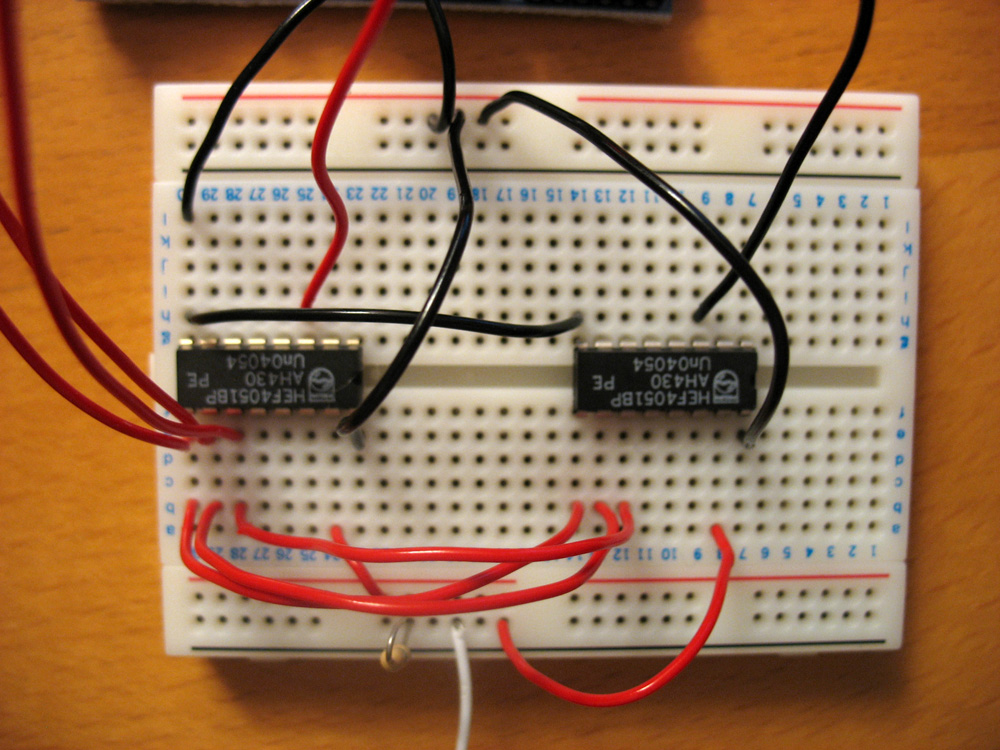
We are using Max/Msp for the sound spatialization and arduino for the hardware/sensors.
At first I wanted to use only open-source sofware and hardware. I learned to use max at school and haven’t used it for a while. So I didn’t have enough time to get use to pd on this project. It would had slown me down to try to find the equivalent object’s name in pd.
I was going to use processing+live for the sound and interface, as it’s mainly how I work now in this kind of projects, except that before it was with Director. It was easier to only use Max for Sonic Body as I didn’t have time to build a all system from scratch, even if the combination of processing and live is really really cool for interactive music. Compared to Max, or pd, processing is great for visual and live is easy and amazing for music, especially with plugins.

I created a system with Max to manage all the sensors and the spatialization. Each sound layers or sensors/groups of sensors have a ’select folder’ button so it’s really easy for Harry and I to move folders or change sounds for each element. I wanted something quite flexible so we don’t have to worry ( too much ) about the technique when working on the sound landscape. At first I was going to use my own spatialization patch but I learned that sometimes it’s better to use ready-made programs. So as Max can integrate vst in his patches, I used a spatialization plugin. Of course, this plugin only manages the surround thing, I had to program a lot of things around this plug to adapt it to our needs, automations and again to make it user-friendly. We can set lots of different parameters like speed, craziness, rotation, placement, apparitions, etc… I will later put some of the patches that I made for the SonicBody on the blog.

max capture

Arduino is a Open-source hardware that emulates processing for the programming. So it’s really easy to use and have a great community, like processing, made of artists and programmers. The Arduino website gives lots of tutorials and the forum is really helpful. For the sensors we are mainly using vibrating non-mercury tilt sensors and piezos’. It’s my first big installation that uses so much sensors and it’s really a performance on itself to organize all this.

tiltsardui2ardui3

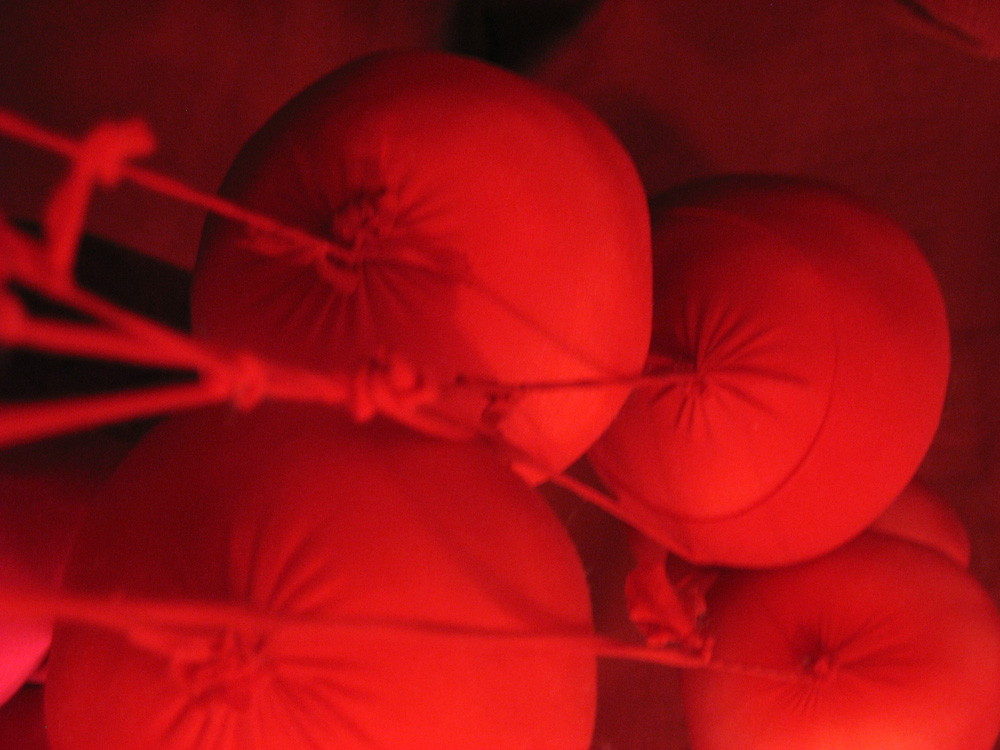
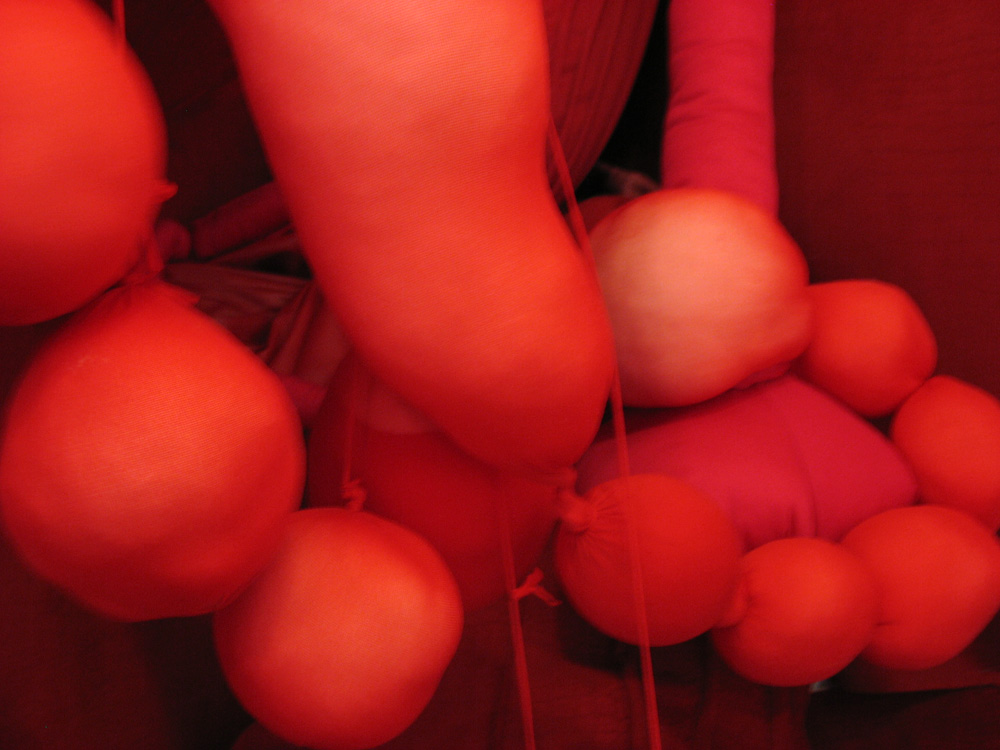
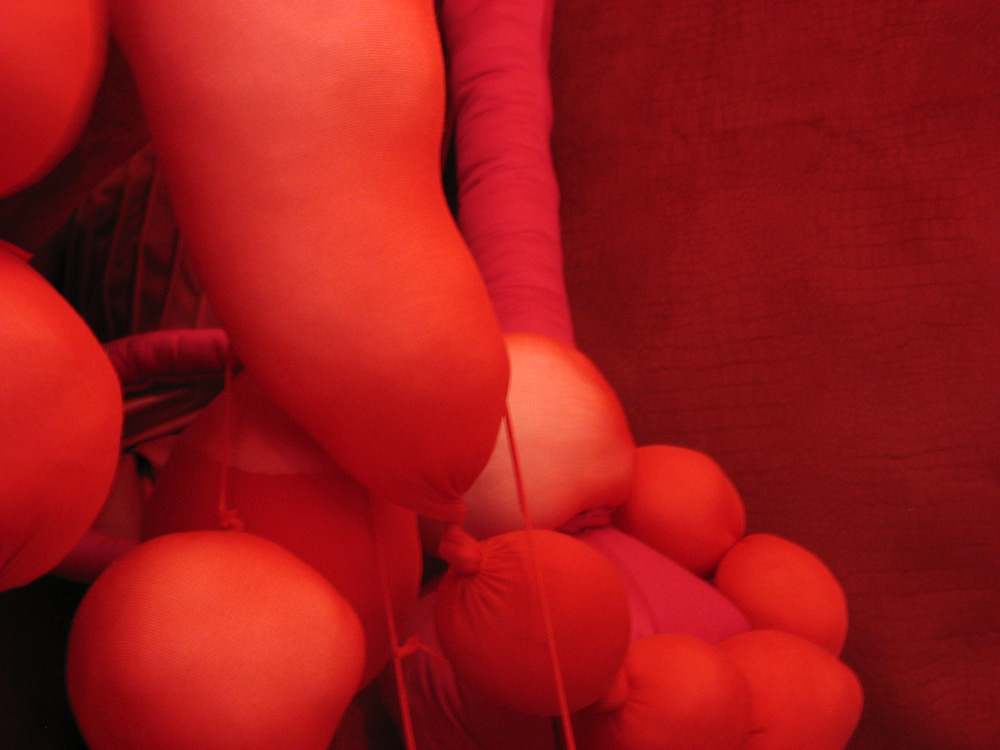
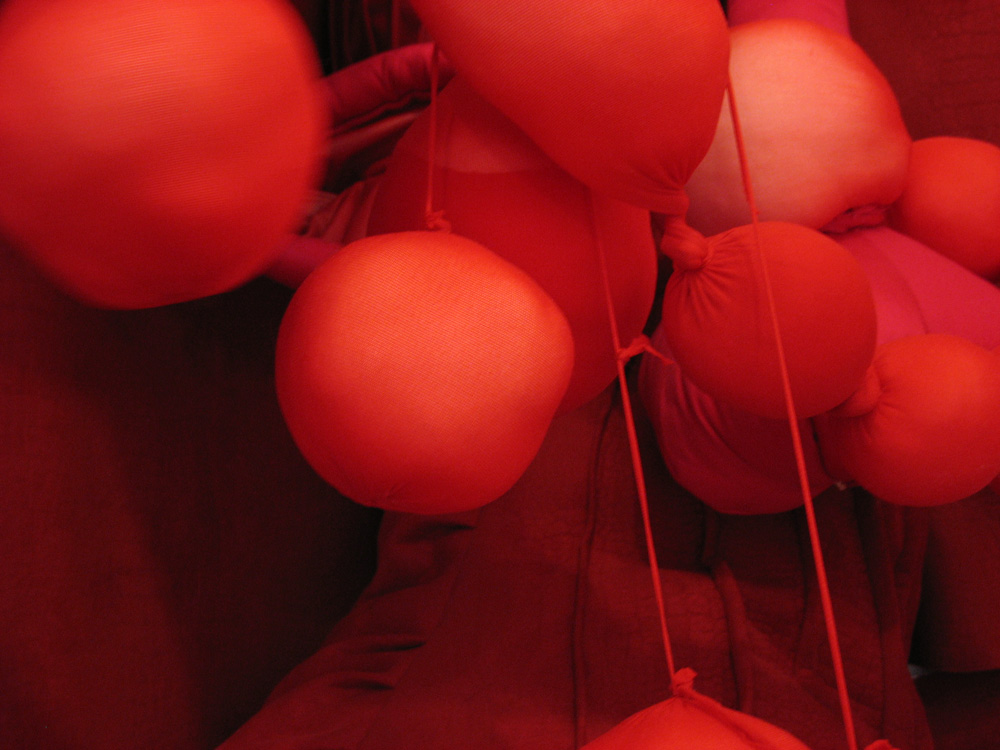
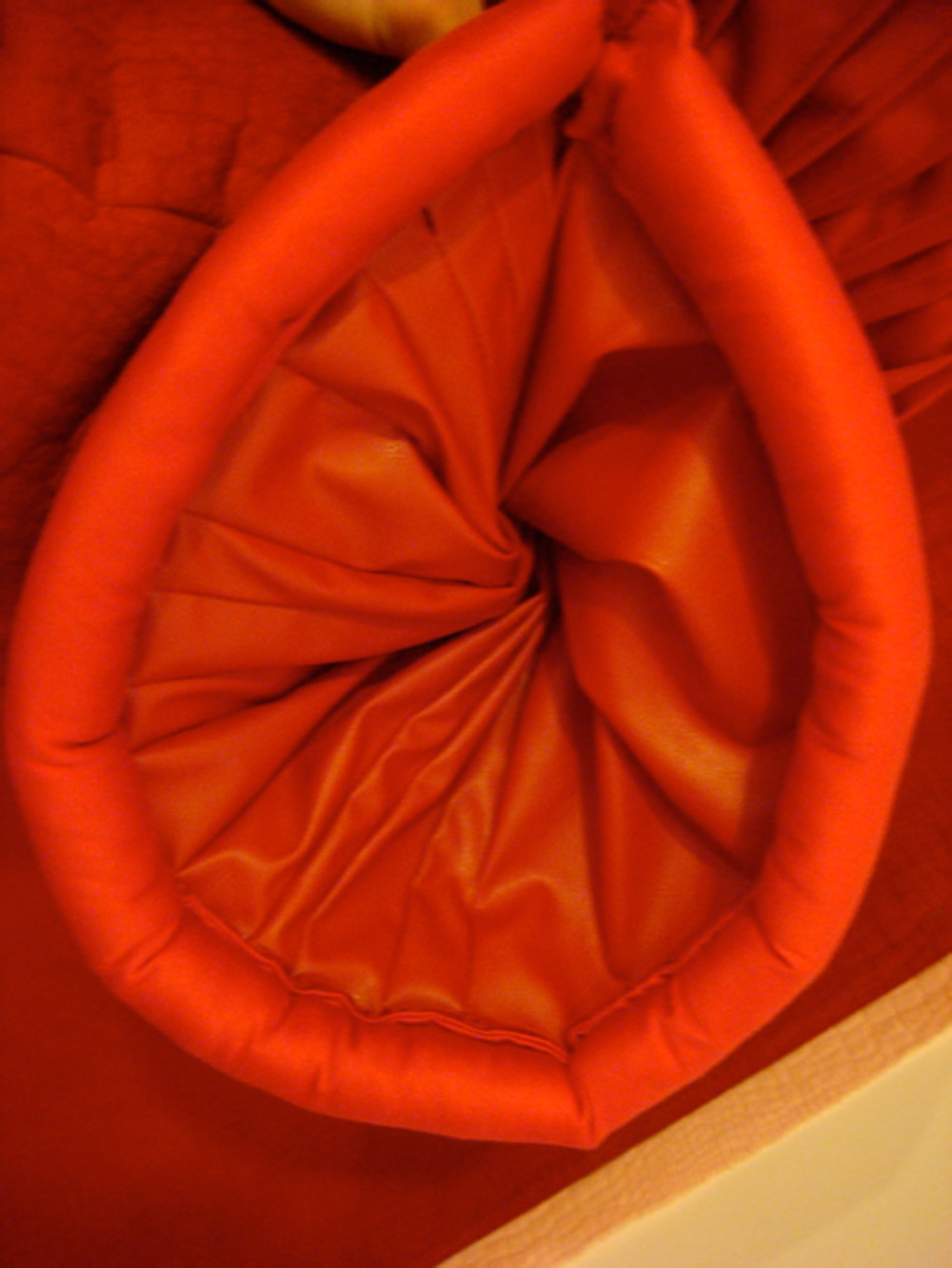
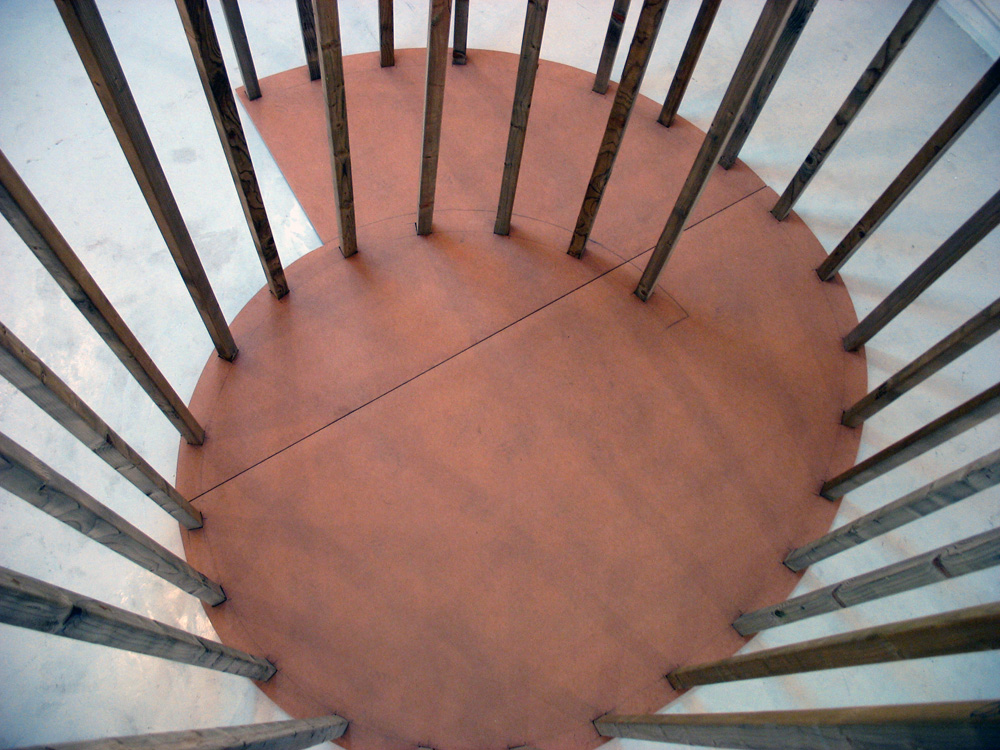
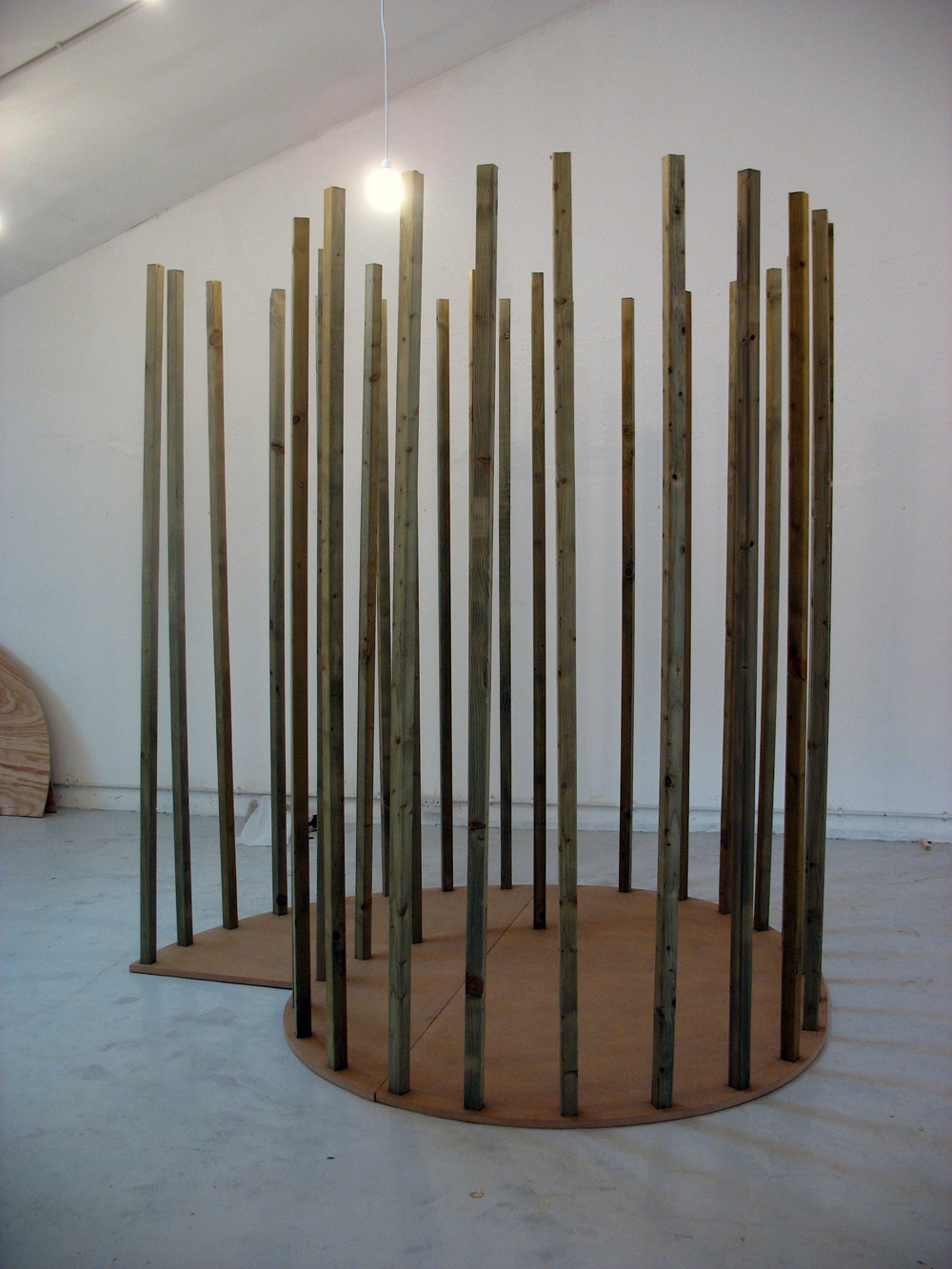
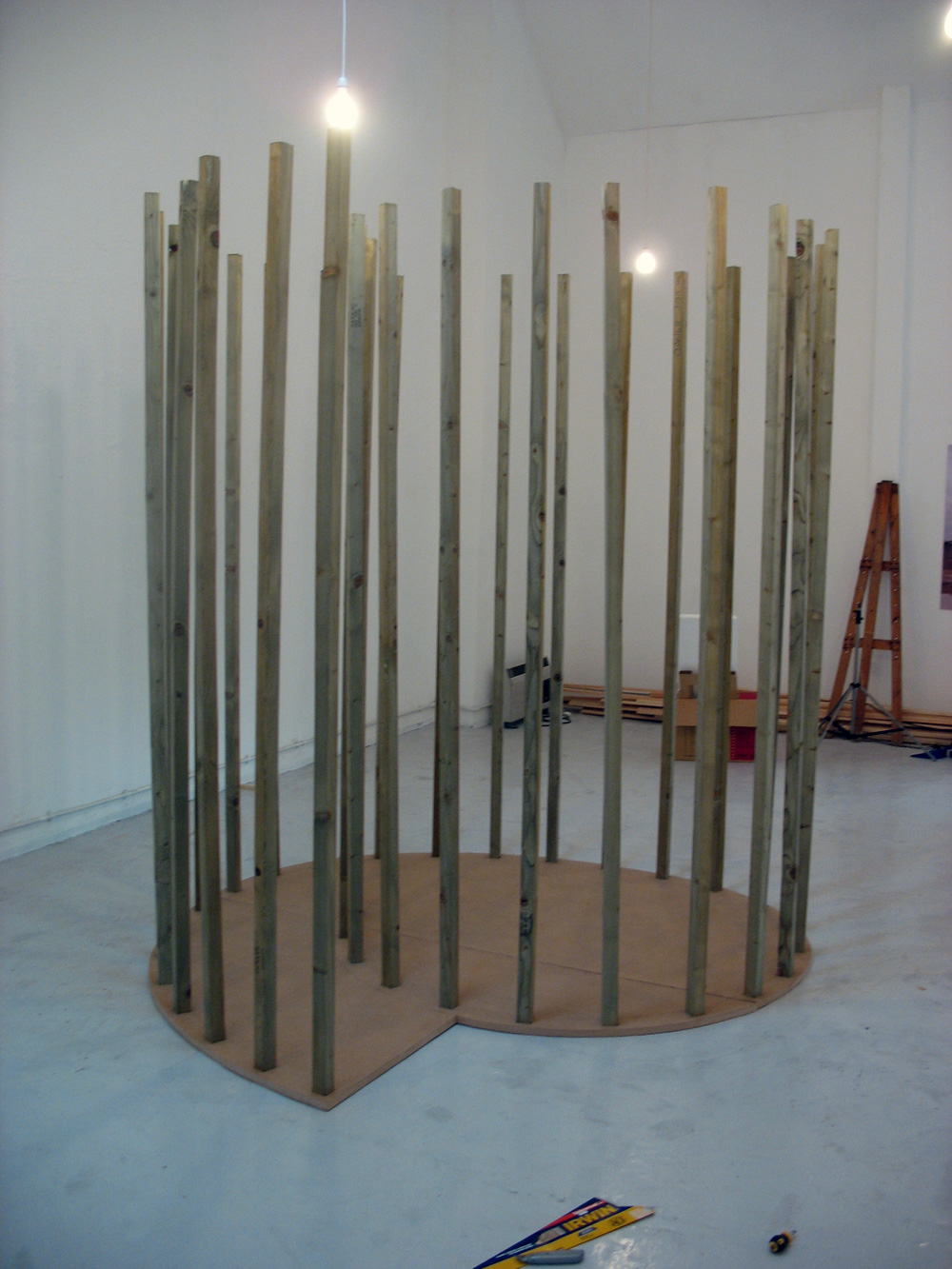
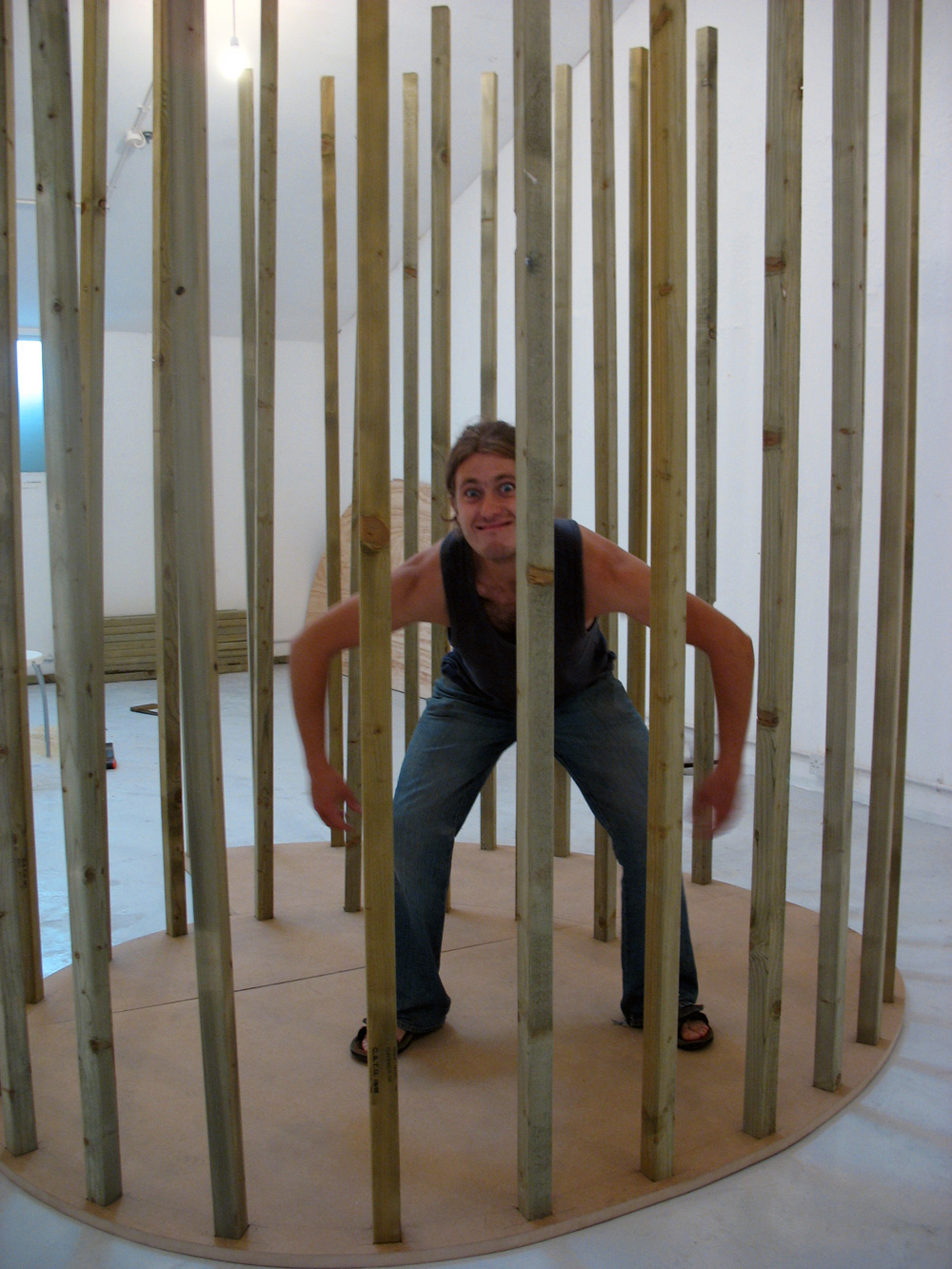
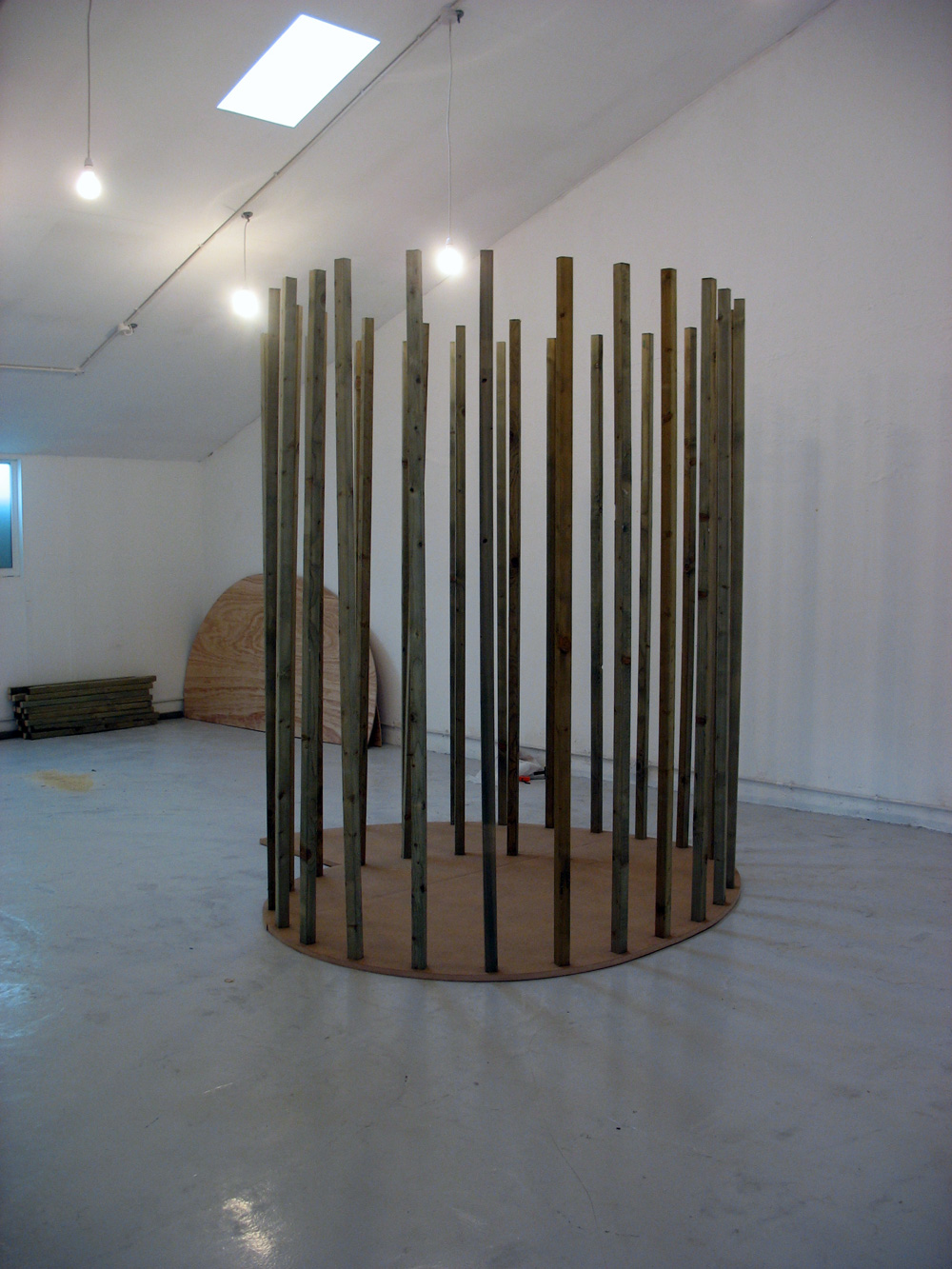
We are really happy about the structure, and specially about the atmosphere inside. We have no reverb and it’s really sound proof. The cocoon feeling is close to what we had imagined. It feels like a sound recording cabin ( but better ). We cannot put more photos of the inside to keep the mystery. After the exhibition there will be loads more though!

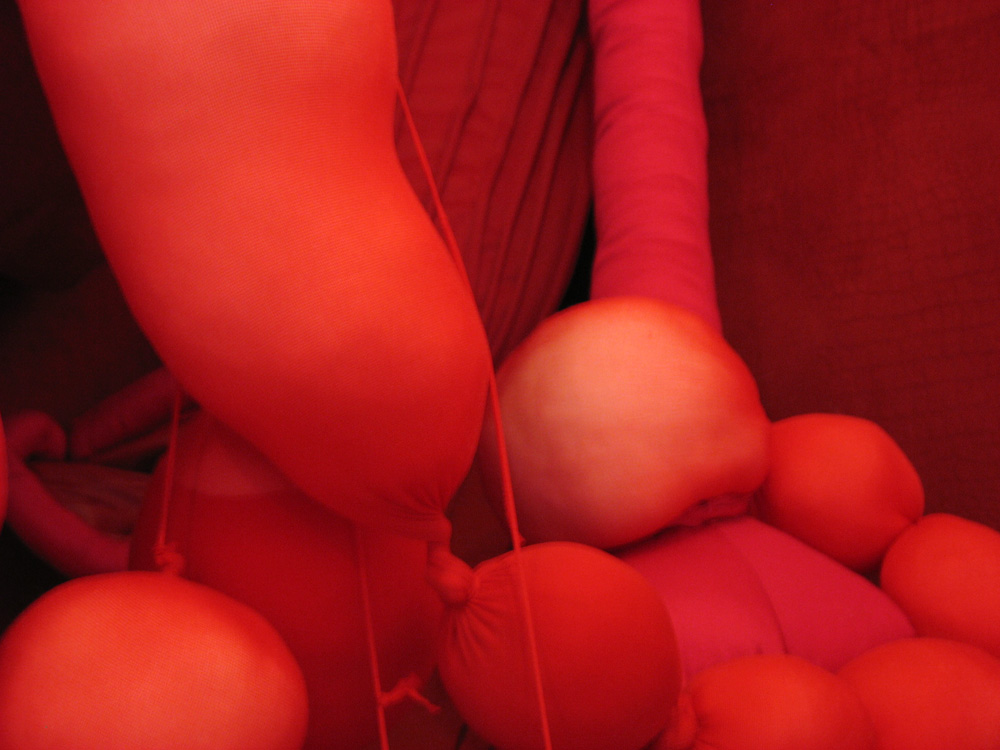
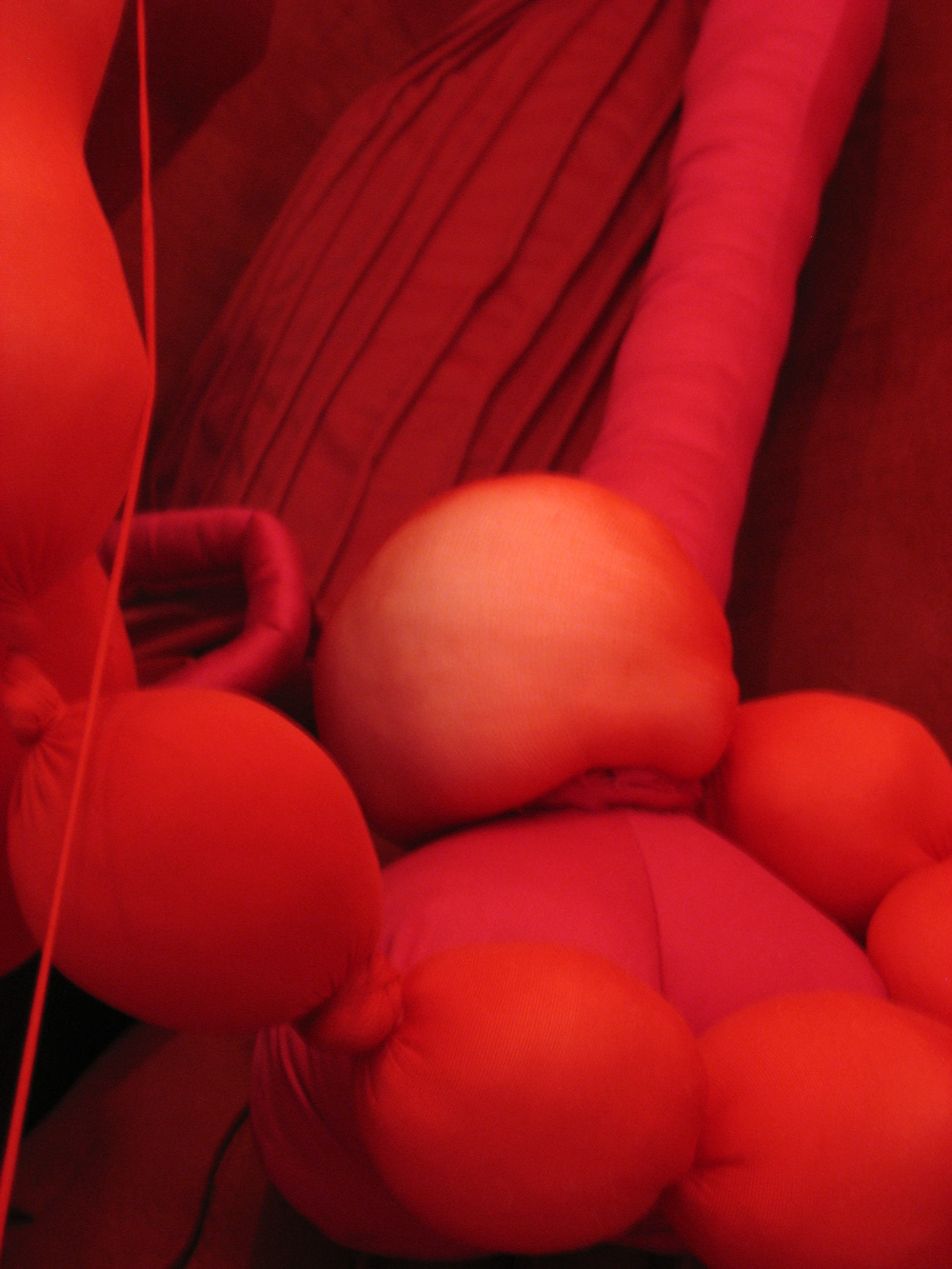
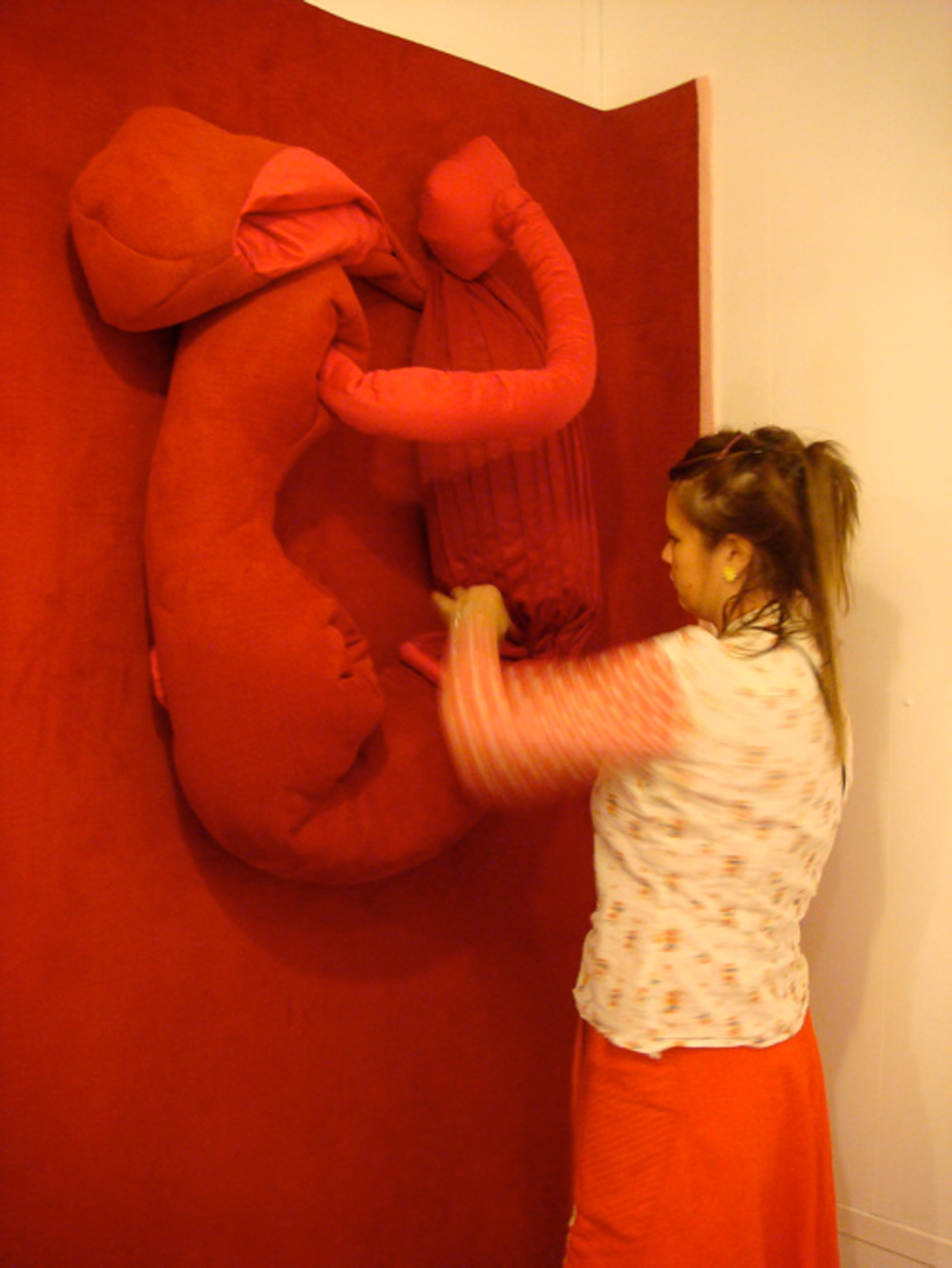
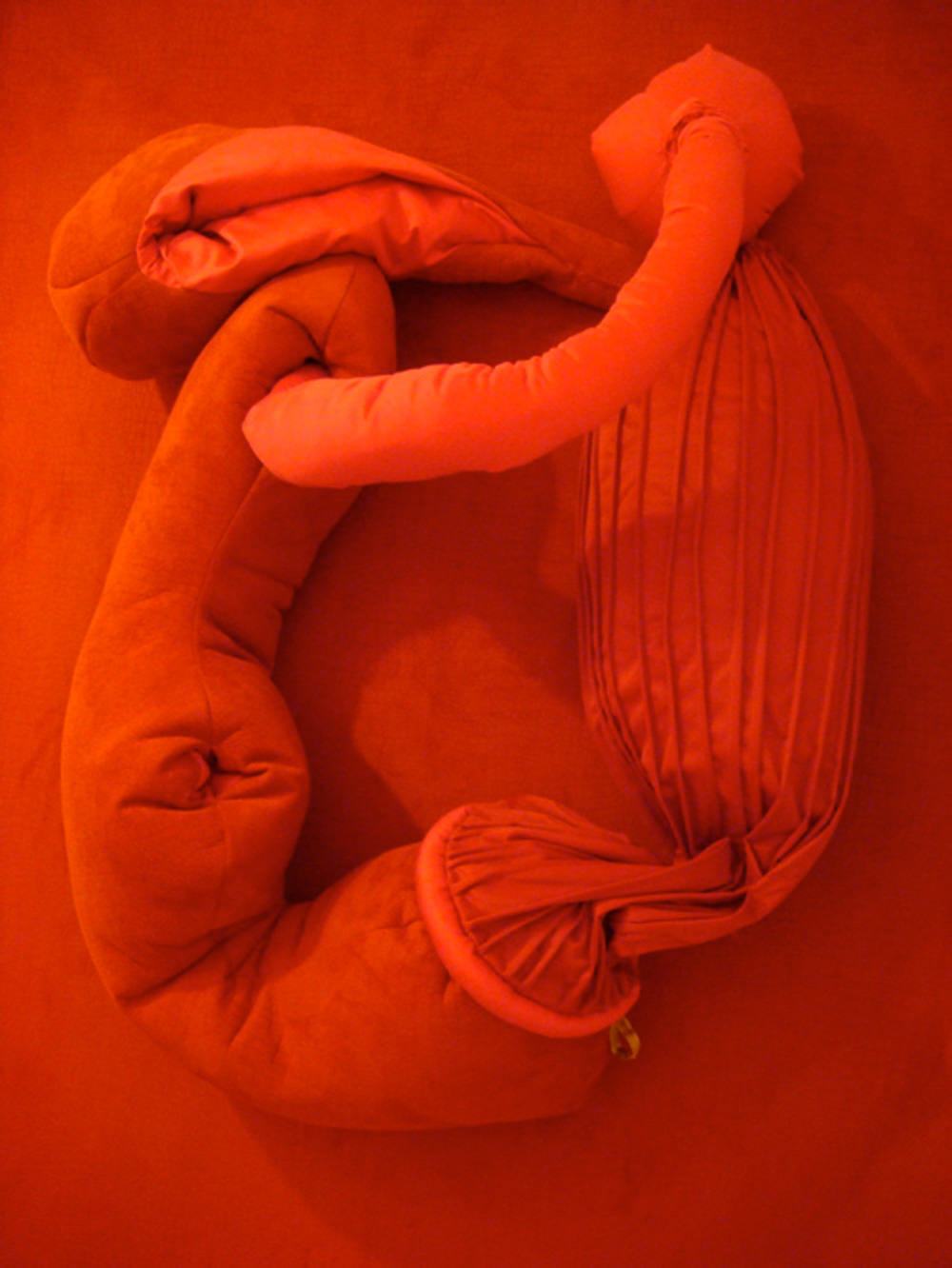
carpet 3carpet 4scaleballsglandsglands2

Back to top

More development

October 17, 2007, 11:49 am | by Thomas | Leave a Comment

Anna’s new legs
Anna with her new legs!

the installation’s bones
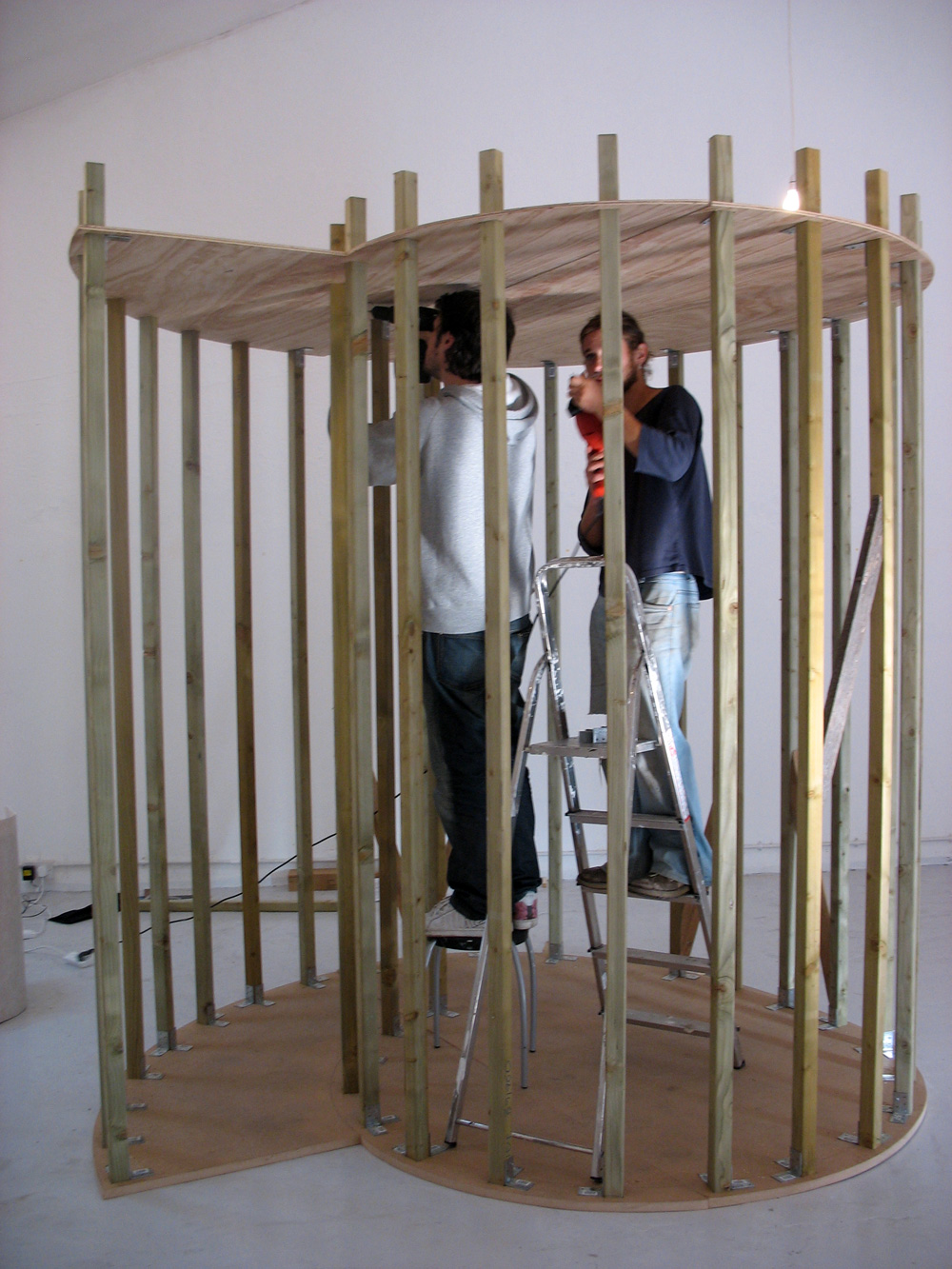
The skeleton of the installation

sensors
wiring sensors
wires and sensors
Wires

Back to top

Brighton Digital Festival

October 11, 2007, 9:11 am | by Rowan | Leave a Comment

The Sonic Body is part of the Brighton Digital Festival 2007, a month-long celebration of creative talent in the digital media sector. The festival, which runs throughout November, offers new and exciting opportunities for artists, designers and technologists to collaborate, share and showcase their talent.

Now in its 3rd year, the festival includes events from three distinct sectors – arts, business and the community – to establish itself as the most inclusive festival of its kind within the UK. From ubergeeks to animaters, film producers to web designers, its got something for everyone in digital media.

Brighton Digital Festival is owned and organized by Wired Sussex

BDF logo

Back to top

Structure & Sculpture

October 7, 2007, 7:09 pm | by Thomas | Leave a Comment

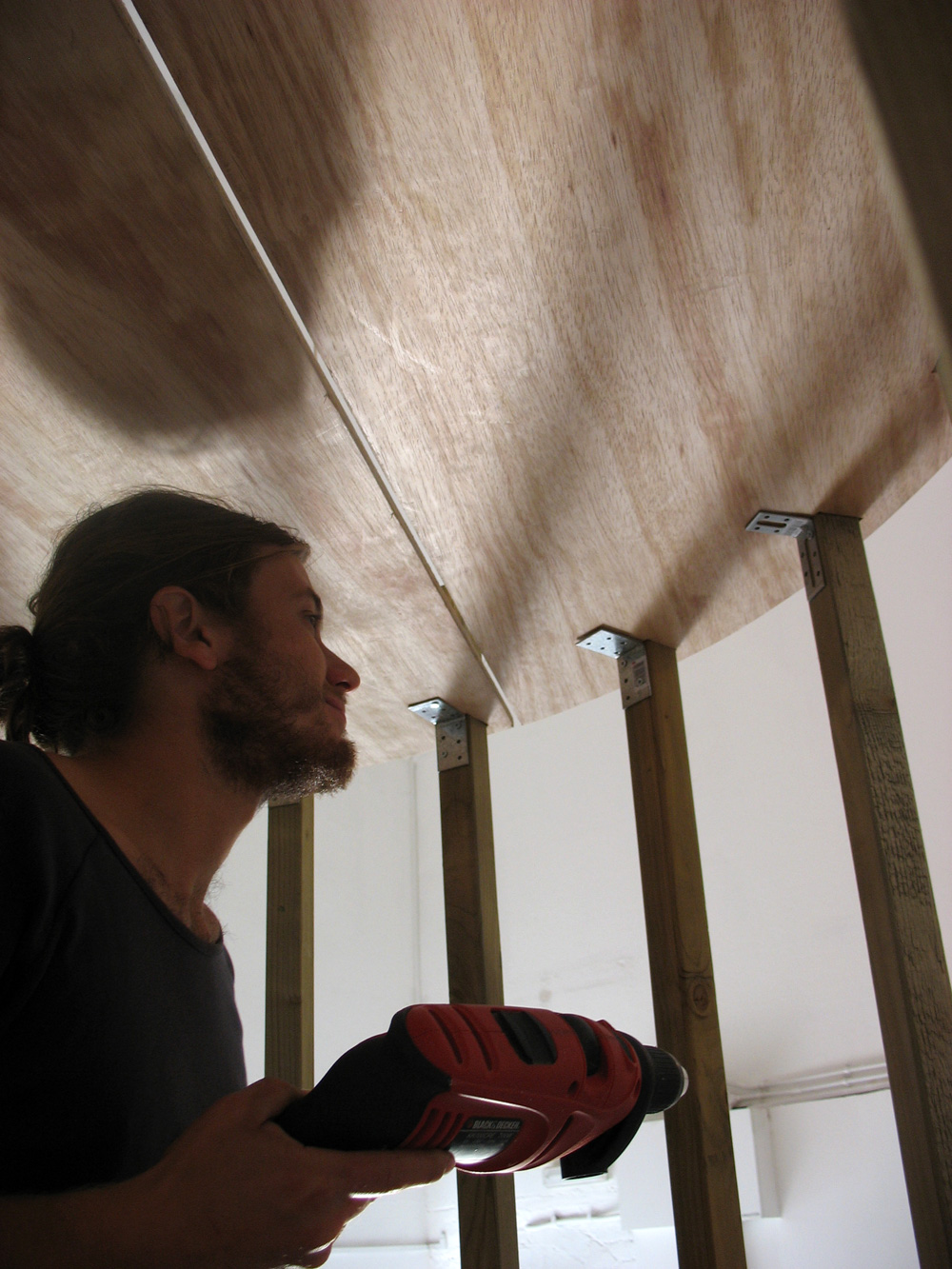
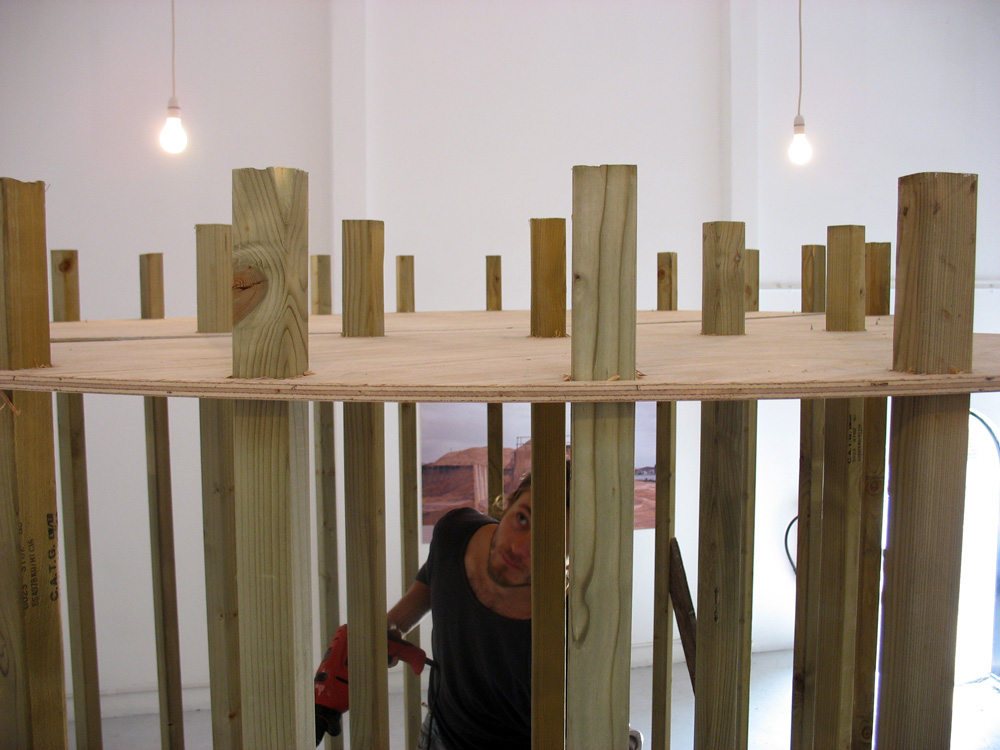
Building the structure

basein the cageceiling

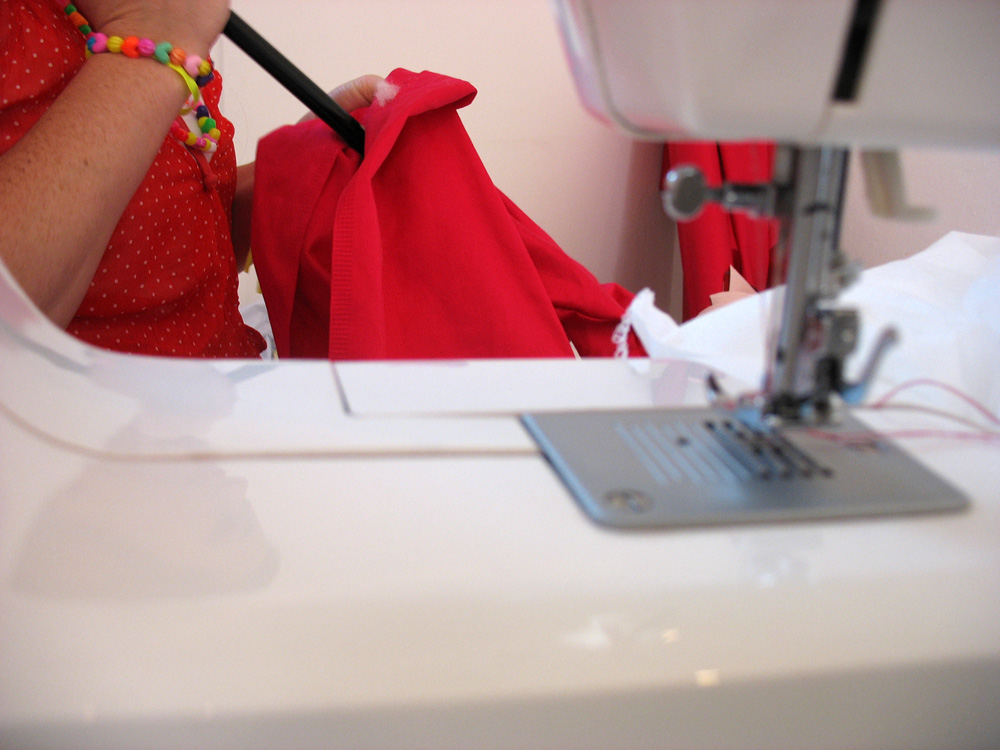
Anna creating organs

sewingstuffing 1stuffing 2

The finished structure

structure

Back to top

Sounds

September 28, 2007, 9:04 am | by Harry | 1 Comment

Various recording techniques and different types of microphones have been used for the Sonicbody project. From initial investigations with a standard stethoscope to the actual insertion of a microphone into the human body. It has been a journey of learning and discovery both into the sonic world our inner anatomy but also the techniques required to capture this.

( all samples are looped, except the ultrasonic )

Stethoscope

We used the Stethoscope to record the sound of the heart, lungs, stomach and joints. Essentially this is very much like pressing ones ear against a persons body and listening to their heart etc. We found that the results were not too unusual and so our recording techniques had to be developed further.

Hydrophone

This waterproof contact microphone enabled us to venture inside the human body. By actually inserting the microphone into the various orifices of the human body a sonic world unfamiliar to the human ear could be recorded.

Anechoic Chamber

We hired an Anechoic chamber to record the most subtle external sounds emitted by the human body. An Anechoic chamber is a highly sound proofed sonic space with absolutely no reverb which allows microscopic sonic activity to be recorded.

Ultrasonic Sound

Frequencies which are above the human hearing range are referred to as ultrasound. With specialised recording equipment one can actually capture ultrasonic frequencies and detune them to the human hearing range. Here are some examples of ultrasound emitted by humans.

Back to top